WORLD Heavyweight Boxing

Month
Date
,
Year
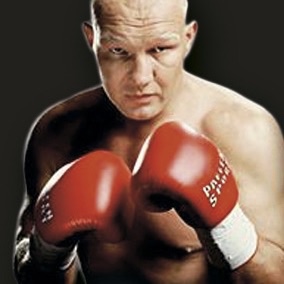
Legendary Contender
Axel Schulz became internationally known by giving George Foreman a difficult championship defence in 1995. The German challenger lost a disputed majority decision, but the performance changed his standing in heavyweight boxing and led to further opportunities to win the IBF title.
His final record was 26-5-1 (11 KOs), with one no contest. Schulz never won a major world heavyweight championship. His career is nevertheless an important part of German boxing's development during the 1990s, when prominent championship events brought the heavyweight division to a wider audience.
Born on November 9, 1968, in Bad Saarow, Schulz developed within East Germany's amateur sporting system. He turned professional in 1990, entering a different boxing environment around the time of German reunification.
Working with trainer Manfred Wolke and promoter Wilfried Sauerland, he progressed towards international heavyweight contention. Schulz's strengths were persistence, a disciplined guard and a willingness to maintain his work over the distance. He was not an overwhelming knockout puncher, so his success depended on sustained execution rather than a single explosive finish.
On April 22, 1995, Schulz challenged Foreman in Las Vegas for the IBF heavyweight title. Foreman had regained the world championship by knocking out Michael Moorer the previous year, making the German challenger a significant underdog.
Schulz exceeded those expectations. His activity and movement created problems for the older champion, and he continued pressing his case through the later rounds. Foreman won a majority decision, but many observers believed Schulz had done enough to win.
The official result left Schulz without the belt. The dispute made him a more prominent contender, while Foreman's refusal to take an ordered rematch eventually left the IBF championship vacant. Schulz would receive another opportunity, but against a different opponent.
In December 1995, Schulz faced South Africa's Francois Botha in Stuttgart for the vacant IBF title. Botha initially won a split decision.
The result was subsequently changed to a no contest after Botha failed a drug test. That revision did not turn Schulz into the winner or award him the championship. It left the title unresolved and created the setting for another vacant-title contest.
The episode illustrates why the official record must be distinguished from the verdict announced on the night. Botha's initial decision victory is no longer the final recorded result, yet Schulz still did not leave that sequence as champion.
On June 22, 1996, Schulz met Moorer in Dortmund for the vacant IBF championship. Moorer won a split decision over twelve rounds.
It was Schulz's third consecutive major world title opportunity. He had been competitive in the championship picture, but the sequence ended without the decisive victory needed to take the belt. The Foreman controversy therefore remained the defining moment rather than the beginning of a championship reign.
Schulz continued boxing before meeting the rising Wladimir Klitschko in 1999. Klitschko stopped him in the eighth round, a result that marked a clear change from the close championship contests of the mid-1990s.
After a long absence, Schulz returned against Brian Minto in 2006. Minto stopped him in the sixth round, ending the comeback. The defeat did not recreate the form or opportunities Schulz had enjoyed a decade earlier.
Schulz's career is remembered principally for the night he made Foreman work far harder than expected. That performance gave him lasting recognition even though the judges did not give him the championship.
His later title opportunities show the limits of treating one disputed result as proof that a fighter would inevitably become champion. Schulz remained competitive, but neither the Botha contest nor the Moorer fight produced the title he sought.
He belongs among the notable European heavyweights of the 1990s: a persistent contender whose strongest performance became a major event in German boxing and whose career remains inseparable from a closely contested world championship decision.

Top Heavyweight Boxing covers the past, present and future of boxing's premier division. Copyright© 2026
Powered by Digital Dynasty Design