WORLD Heavyweight Boxing

Month
Date
,
Year
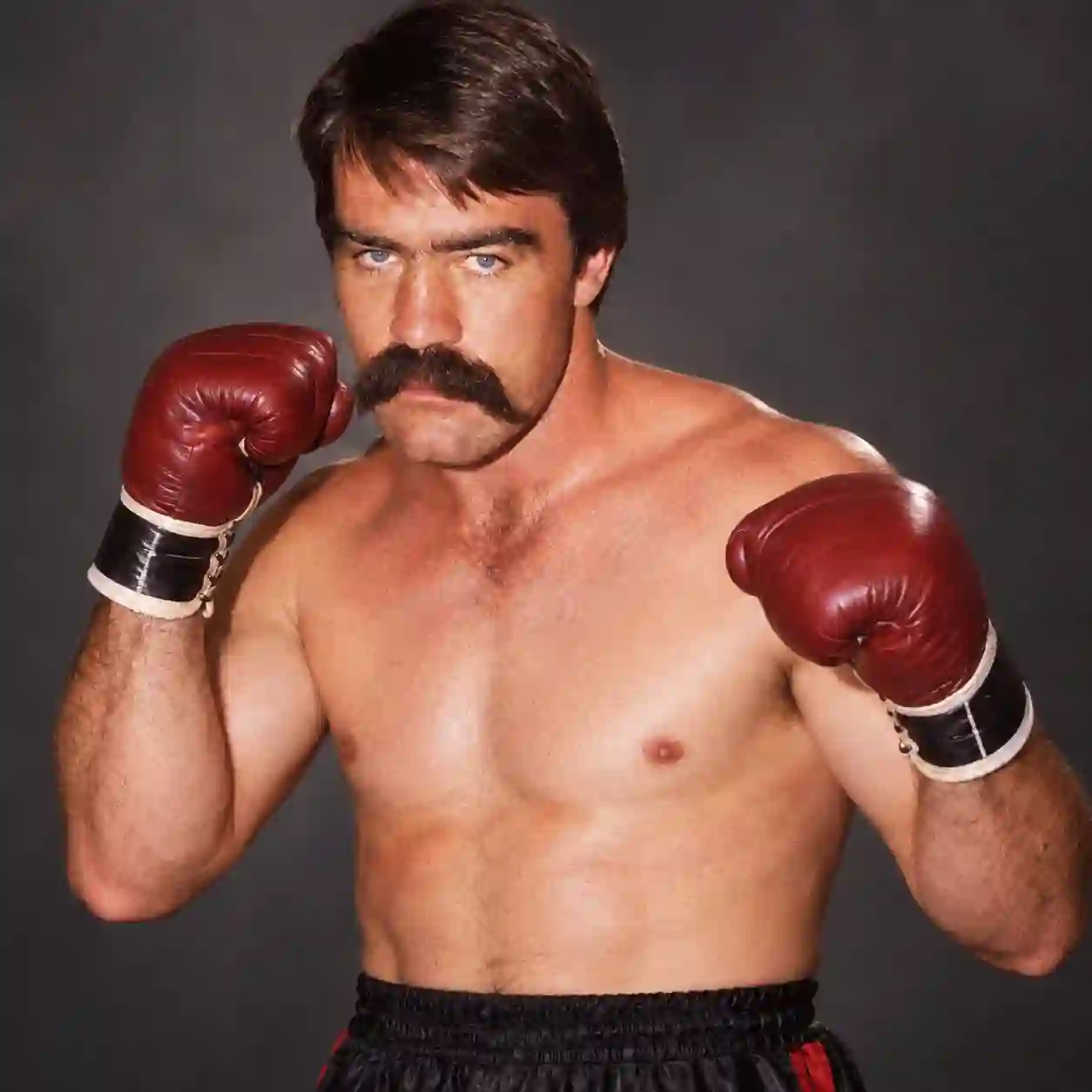
Legendary Contender
Pretoria, South Africa - Pierre Coetzer was a rugged and determined South African heavyweight who rose into the upper reaches of the division during the late 1980s and early 1990s. A national champion with a strong professional record, Coetzer earned international recognition through victories over several respected opponents and high-profile fights against Riddick Bowe, Frank Bruno and George Foreman.
Pierre Coetzer was born on December 6, 1961, in Pretoria, South Africa. Standing 6-foot-4, he developed into a large, physically strong heavyweight who relied on conditioning, determination and a consistently high work rate.
Coetzer began his professional career in February 1983 and won his first nine fights before suffering a points defeat to future cruiserweight champion Bernard Benton.
Only two months later, Coetzer challenged Bennie Knoetze for the vacant South African heavyweight title. After being knocked down twice in the second round, he recovered dramatically and stopped Knoetze in the third to become national champion in only his 11th professional contest.
The loss to Benton proved to be a temporary setback. Coetzer won his next 12 fights, defeating opponents such as David Jaco, Larry Frazier, Eddie “Young Joe Louis” Taylor and former European champion Alfredo Evangelista.
In September 1987, he avenged his defeat to Benton in emphatic fashion, knocking him out in the opening round.
Coetzer’s momentum was interrupted by former WBA cruiserweight champion Ossie Ocasio, who defeated him on points in March 1988. Once again, Coetzer responded positively. After recording two knockout victories, he met Ocasio in a rematch later that year and reversed the result with a ten-round points victory.
One of the biggest fights in South African boxing at the time matched Coetzer against the dangerous Johnny du Plooy. Their August 1990 meeting at the Sun City Superbowl was promoted as “Once and For All,” with national bragging rights and international opportunities at stake.
Du Plooy opened strongly, cutting Coetzer with a right hand and dropping him near the end of the first round. Coetzer recovered quickly and turned the fight around in the second, knocking du Plooy down twice before the contest was stopped.
The victory established Coetzer as South Africa’s leading heavyweight and moved him closer to a world-title opportunity.
Coetzer continued building his position with victories over J.B. Williamson, Ken Lakusta, José Ribalta and Jerry Halstead. By 1992, he had compiled an impressive record of 39-2 and secured a leading position in the world rankings.
He was not known as a spectacular one-punch knockout artist, but Coetzer was physically strong, well conditioned and difficult to discourage. His durability and steady pressure made him a demanding opponent, particularly over longer fights.
A world-title opportunity appeared within reach when Coetzer was matched against unbeaten American contender Riddick Bowe in a heavyweight title eliminator.
Coetzer faced Bowe on July 18, 1992, at The Mirage in Las Vegas. Bowe possessed considerable advantages in speed, reach and combination punching, but Coetzer continued advancing and attempting to make the fight physically demanding.
Bowe was penalized for a low blow in the sixth round. In the seventh, another punch appeared to land below Coetzer’s belt. Expecting referee Mills Lane to intervene, Coetzer turned away and lowered his hands. Bowe immediately attacked, landing an uppercut followed by a combination that prompted Lane to stop the contest with one second remaining in the round.
Coetzer strongly objected to both the low blow and the stoppage. The victory moved Bowe into a championship fight with Evander Holyfield, while Coetzer was left without the world-title opportunity he had pursued.
Coetzer returned three months later to face former world-title challenger Frank Bruno in London. Bruno’s powerful jab and heavy right hand gradually took control, although Coetzer remained competitive and continued applying pressure. The referee stopped the fight in the eighth round, awarding Bruno a technical-knockout victory.
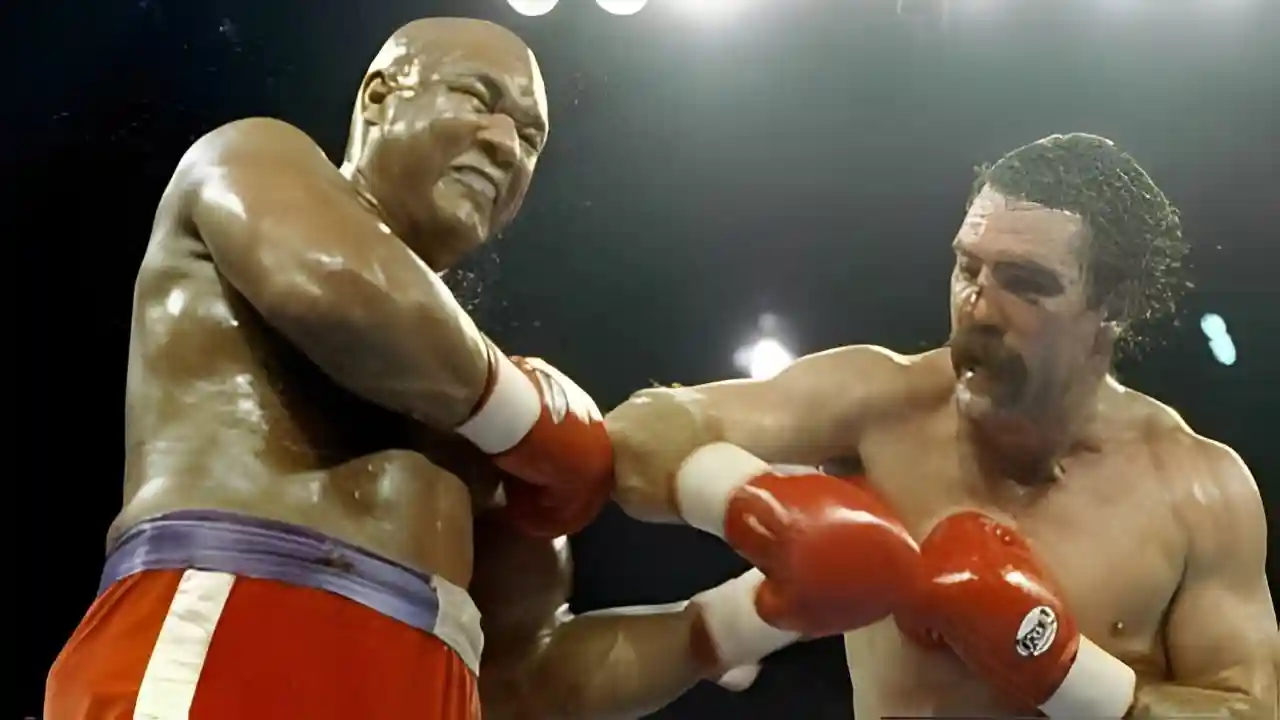
In January 1993, Coetzer met former heavyweight champion George Foreman in Reno, Nevada. Foreman was then deep into his remarkable comeback and closing in on another championship opportunity.
Coetzer remained characteristically determined and extended Foreman into the eighth round. After being knocked down earlier in the contest, he was dropped again and the fight was stopped. It proved to be the final appearance of Coetzer’s professional career.
Pierre Coetzer retired with a record of 39-5 (27 KOs). His five defeats came against Bernard Benton, Ossie Ocasio, Riddick Bowe, Frank Bruno and George Foreman, and he avenged the losses to Benton and Ocasio.
Although Coetzer never fought for a world championship, he reached the level immediately below it during a competitive period in heavyweight history. His career was defined by resilience, excellent conditioning and a willingness to face leading contenders in South Africa, Britain and the United States.
Victories over Johnny du Plooy, Ossie Ocasio, José Ribalta and Alfredo Evangelista established Coetzer as one of South Africa’s leading heavyweights, while his major international contests secured his place in the broader story of the division.

Top Heavyweight Boxing covers the past, present and future of boxing's premier division. Copyright© 2026
Powered by Digital Dynasty Design