HEAVYWEIGHT
BOXINGTHE DIVISION HEADQUARTERS HEAVYWEIGHTBOXING.COM
BOXINGTHE DIVISION HEADQUARTERS HEAVYWEIGHTBOXING.COM
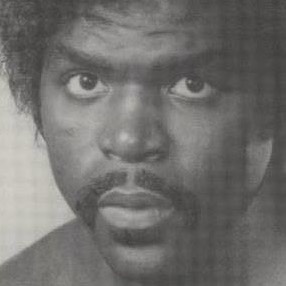
WBA Champion
Tony Tubbs won the WBA heavyweight championship by defeating Greg Page in 1985. A fast-handed boxer with a substantial amateur background, he could produce combinations and defensive movements that challenged expectations based on his heavy build.
His championship reign was brief, but his skills remained relevant against leading opposition after he lost the belt. Tubbs later challenged Mike Tyson and gave the rising Riddick Bowe a demanding ten-round contest.
Born on February 15, 1958, in Cincinnati, Ohio, Tubbs developed through the strong American amateur boxing system of the 1970s.
He became national AAU heavyweight champion in 1979 and also won heavyweight gold at that year's World Cup in New York. His amateur record is commonly listed as 240-13; that figure describes his amateur career, not his professional results.
Tubbs had also gained experience as a sparring partner for Muhammad Ali. His development encouraged a style built around quick hands, a jab and an understanding of distance rather than a dependence on overwhelming punching power.
Tubbs turned professional in 1980. Victories over experienced opponents helped him progress from prospect to contender, with Jimmy Young among the names on his early professional record.
In March 1985, he outpointed James “Bonecrusher” Smith in a WBA title eliminator. The victory secured an opportunity against Page, an opponent he knew from their amateur days.
Amateur familiarity did not determine the professional outcome. A fifteen-round championship fight demanded pacing, consistency and the ability to apply skills over a much longer distance.
On April 29, 1985, Tubbs challenged Page at the Memorial Auditorium in Buffalo, New York. He won a unanimous decision over fifteen rounds and became WBA heavyweight champion.
The victory demonstrated the qualities that made him effective: speed in exchanges, accurate scoring and a disciplined approach over the full contest. Page's previous amateur success against him did not prevent Tubbs from winning the meeting that carried a professional world title.
The WBA championship was one part of a divided heavyweight title picture. Tubbs was a recognised world titleholder, but he did not become undisputed champion.
#OnThisDay in 1985 Tony Tubbs defeats Greg Page in 15 rounds in Buffalo to win the WBA world heavyweight title @SInow @boxing360 @BoxingHistory @talkSPORT @WorldBoxingNews @BoxingNewsED @drapersport @BoxRec @ringmagazine @EdRobinsonBox @espn pic.twitter.com/p8g1GmYHKQ
— 20th Century #OnThisDay (@Iain_McDougall) April 29, 2023
In his first defence, on January 17, 1986, Tubbs faced former WBC champion Tim Witherspoon in Atlanta. Witherspoon won a majority decision over fifteen rounds.
Tubbs weighed considerably more than he had against Page, adding to questions about preparation and conditioning. The loss ended his championship reign, although the decision remained close enough to generate disagreement.
Whatever his own later assessment of the verdict, the official result was a Witherspoon victory. Tubbs would pursue another championship opportunity rather than reclaim the belt through an immediate successful rematch.

On March 21, 1988, Tubbs challenged Tyson for the undisputed heavyweight championship in Tokyo. He showed his boxing ability during the opening exchanges, but Tyson stopped him in the second round.
The short contest illustrates the difference between having useful skills against a champion and being able to sustain them under the champion's pressure. Tubbs could find openings; he could not prevent Tyson's decisive attack.
In April 1991, Tubbs lost a unanimous ten-round decision to the unbeaten Bowe. The verdict drew disagreement, while the veteran's defensive craft and ability to land combinations made the bout an important learning experience for the future champion.

Tubbs defeated Bruce Seldon and Alexander Zolkin during the early 1990s. His progress was also interrupted by knockout defeats and drug-related problems. His 1989 result against Orlin Norris was overturned after a positive cocaine test.
He continued through later comebacks, including a victory over Brian Minto, before his final professional fight in 2006. His professional record is listed as 47-10, with two no contests, separate from his much larger amateur total.
Tubbs's legacy rests on a genuine WBA championship victory and a level of skill that remained troublesome after his title reign. His career also shows how preparation and consistency can limit a talented heavyweight's achievements. The Page victory remains the clearest demonstration of what he could accomplish when those qualities came together.

Top Heavyweight Boxing covers the past, present and future of boxing's premier division. Copyright© 2026
Powered by Digital Dynasty Design