September 12, 2023
via
via
George Foreman's Near-Death Experience
George Foreman's Near-Death Experience
Following a gruelling fight one night, he found himself in a dressing room and believed he was on the brink of death.

Legendary Contender
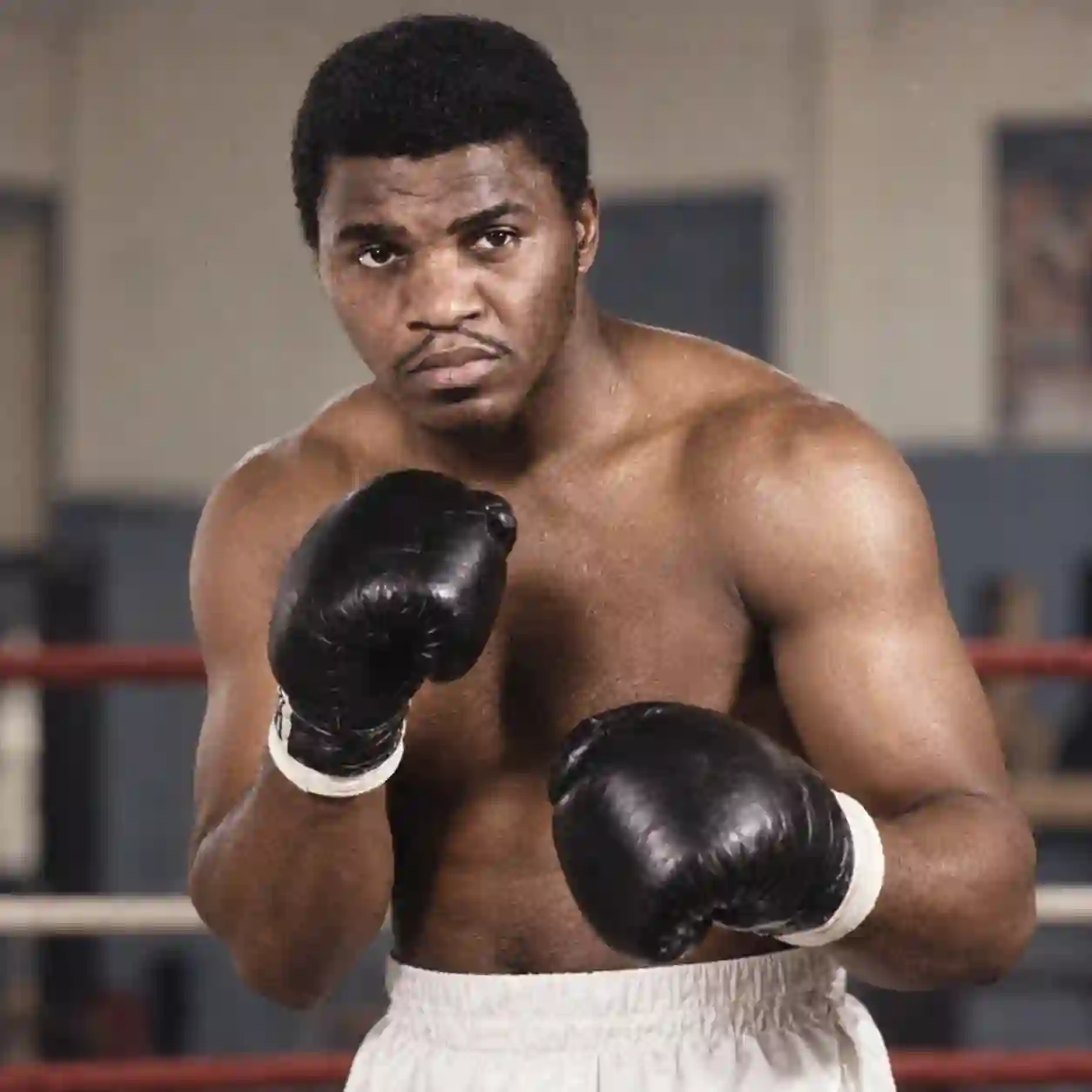
Philadelphia, PA, USA - Jimmy Young was one of the most skilled and underappreciated heavyweights of the 1970s. A clever defensive boxer and counterpuncher from Philadelphia, Young lacked the crushing power and promotional appeal of many leading contenders, but he possessed an exceptional ability to neutralize stronger, more celebrated opponents.
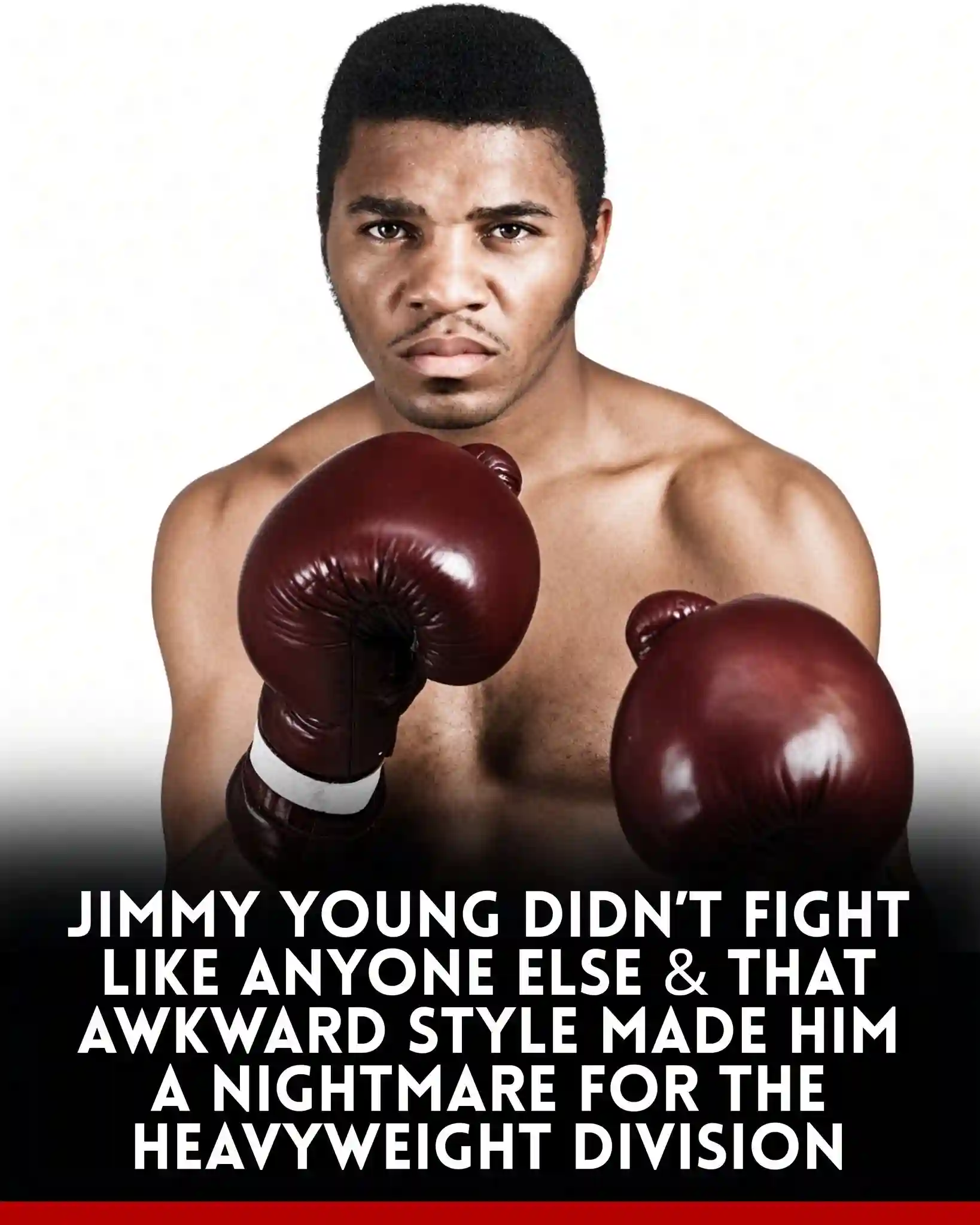
During his peak, Young defeated George Foreman, twice outpointed Ron Lyle, held Earnie Shavers to a disputed draw and pushed Muhammad Ali and Ken Norton through two highly controversial decisions. He came remarkably close to winning the heavyweight championship, yet never received the defining verdict that might have transformed his reputation.
Young finished his long professional career with a record of 35-18-3 (11 KOs), with one no contest. Those numbers, however, offer a deeply misleading picture of the fighter he was at his best.
James Young was born on November 14, 1948, in Philadelphia, Pennsylvania. He developed his craft in a city famous for producing intelligent, battle-tested fighters who learned their trade in demanding neighborhood gyms.
Young was not physically imposing by the standards of the heavyweight division. Standing a little over 6 feet tall and generally weighing close to 210 pounds during his prime, he was routinely matched against larger men with greater punching power.
Instead of attempting to overpower them, Young learned to frustrate them.
He became an elusive and highly observant boxer who relied on timing, anticipation and defensive positioning. His style was built around subtle movements rather than spectacular displays of speed. Young slipped punches by inches, rolled with shots, disrupted an opponent’s rhythm and countered when openings appeared.
These qualities made him extremely difficult to beat—but they did not always make him easy to score.
Young turned professional in 1969, but his rise was neither rapid nor carefully protected. He fought frequently, accepted difficult assignments and suffered several defeats before establishing himself as a serious contender.
The most damaging early setback came against Earnie Shavers in February 1973. Shavers, who would become recognized as one of the hardest punchers in heavyweight history, stopped Young in the third round.
It was one of only two stoppage losses Young suffered in more than 50 professional appearances.
Young recovered and faced Shavers again in November 1974. This time, he used movement, defense and counterpunching to contain the dangerous knockout artist over ten rounds. The contest was officially declared a draw, although many at ringside believed Young had done enough to win.
The performance demonstrated how much he had developed. Against the same opponent who had overwhelmed him less than two years earlier, Young had made the necessary adjustments and turned a destructive puncher into a frustrated follower.
It also established a pattern that would define his career: Young could solve elite heavyweights in the ring without necessarily being rewarded on the scorecards.
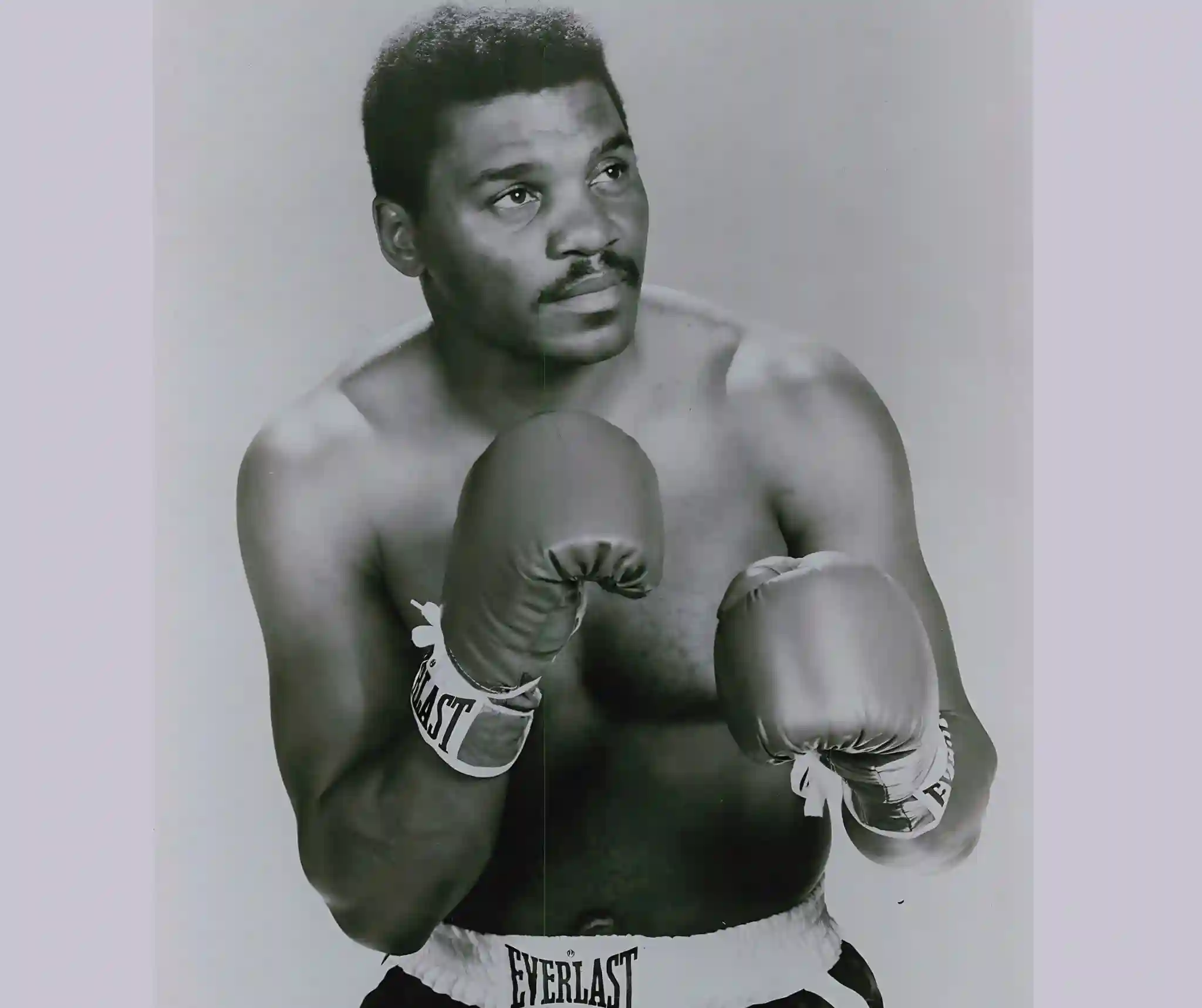
Young’s first major breakthrough came against Ron Lyle in February 1975. Lyle was a powerful and highly ranked contender who would later engage George Foreman in one of the most violent heavyweight fights of the decade.
Young entered with a modest record and was not expected to win. He nevertheless controlled much of the contest with his movement, defensive awareness and carefully timed counters, earning a unanimous decision after ten rounds.
The result immediately demonstrated that Young belonged among the leading heavyweights. Lyle remained highly regarded and received a world-title opportunity against Muhammad Ali only three months later.
Young continued winning and ended 1975 positioned among the division’s leading contenders. Yet his low knockout percentage and frustrating style made him a difficult commercial proposition. He was dangerous enough to defeat a ranked heavyweight but rarely produced the dramatic finishes that generated public demand.
Young and Lyle met again in November 1976. Any suggestion that the first victory had been an accident was removed when Young outboxed him for a second time, winning a unanimous decision over 12 rounds.
Against one of the era’s strongest and most dangerous heavyweights, Young had now won 22 of their 22 completed rounds on the official scorecards.
Young challenged Muhammad Ali for the undisputed heavyweight championship on April 30, 1976, at the Capital Centre in Landover, Maryland.
Ali entered the ring in poor physical condition and at one of the heaviest weights of his championship career. Young, meanwhile, arrived prepared to exploit the champion’s declining speed and reduced mobility.
From the opening rounds, Young refused to provide Ali with a stationary target. He made the champion miss, countered effectively and repeatedly disrupted the rhythm of Ali’s attack. Rather than being overwhelmed by the occasion, Young appeared composed and tactically comfortable.
Ali struggled to land clean combinations and frequently found himself reaching for an opponent who was already moving away. Young’s awkward defensive methods, however, complicated the scoring. On several occasions, he deliberately leaned through or ducked outside the ropes to escape Ali’s attacks—a tactic that drew warnings and created a negative impression with officials.
After 15 rounds, Ali retained the championship by unanimous decision.
The verdict was greeted with considerable controversy. Many observers believed Young had landed the cleaner punches and controlled enough of the contest to deserve the title. Others argued that his excessive defensiveness, limited aggression and repeated departures through the ropes undermined his case.
Whatever the preferred score, Young had made one of history’s greatest heavyweights look ordinary for long periods. Yet because his success was based on avoidance, timing and frustration rather than sustained attack, the performance did not receive universal appreciation.
Young had come close to winning the heavyweight championship without being recognized as its uncrowned champion.
Following his second victory over Lyle, Young received another enormous opportunity against George Foreman on March 17, 1977, at the Roberto Clemente Coliseum in San Juan, Puerto Rico.
Foreman had rebuilt his career after losing the heavyweight championship to Ali in 1974. He had stopped Joe Frazier for a second time and remained one of the most feared punchers in the sport.
Young represented a completely different challenge. He would not stand directly in front of Foreman, nor would he attempt to match him in a contest of strength. His objective was to make the former champion work, miss and gradually lose his composure.
Foreman pressured aggressively and hurt Young during the middle rounds, but he could not impose himself consistently. Young absorbed the difficult moments, tied Foreman up when necessary and returned to his defensive plan.
As the fight progressed, Foreman became increasingly fatigued. Young grew more confident, landing sharp counters as the larger man’s attacks became slower and more predictable.
In the final round, Young produced the defining moment of his career. He caught an exhausted Foreman with a combination and sent him to the canvas. Foreman rose and finished the contest, but Young was awarded a clear unanimous decision after 12 rounds.
It was an extraordinary victory. Young had defeated the heavyweight who had demolished Joe Frazier and Ken Norton, and he had done so decisively enough to eliminate any serious debate about the result.
The physical and emotional aftermath proved life-changing for Foreman. Following the fight, he experienced a religious awakening and retired from boxing for the next decade.
For Young, the victory should have been the beginning of a championship reign. Instead, it led to another narrow encounter in which the official decision would shape his legacy.
Young faced Ken Norton in a WBC heavyweight title eliminator on November 5, 1977, at Caesars Palace in Las Vegas.
The stylistic contrast produced a tactical and competitive fight. Norton applied steady pressure and attempted to work behind his unusual, cross-armed guard. Young boxed from the outside, countered and made Norton miss, particularly when the more aggressive man attempted to close the distance.
After 15 rounds, Norton was awarded a split decision.
As with the Ali fight, opinions were sharply divided. Norton had been the aggressor, but Young appeared to land many of the cleaner punches. Supporters of Young believed he had once again outboxed a celebrated opponent only to lose because his restrained style did not receive sufficient credit from the judges.
The stakes made the defeat especially painful.
Norton was later recognized as WBC heavyweight champion when Leon Spinks, who had defeated Ali, chose an immediate rematch with Ali instead of facing the WBC’s leading challenger. In practical terms, the Young-Norton decision became a championship fight without a belt being presented that night.
Had Young received the verdict, he likely would have become heavyweight champion without needing another contest.
He had now fought Ali and Norton over 30 combined rounds and lost both encounters on points. Neither man had clearly dominated him, and both decisions remained subjects of debate decades later.
The Norton defeat marked the end of Young’s brief period at the top of the division. He was still only 28 years old, but his motivation, preparation and consistency began to decline.
Young lost consecutive decisions to Ossie Ocasio in 1978, damaging his position in the rankings. He remained capable of difficult and sophisticated performances, but the sharpness that had carried him past Foreman and Lyle was no longer present every night.
As the years passed, Young increasingly became an opponent for emerging heavyweights. He faced future champions and leading contenders including Michael Dokes, Gerry Cooney, Greg Page, Tony Tubbs and Tucker-era prospects attempting to advance through the rankings.
Young could still frustrate younger fighters and expose their technical weaknesses, but he was no longer operating at his 1975–77 level. His defensive instincts remained, while his conditioning and offensive output became less dependable.
The result was a record that deteriorated dramatically during the latter portion of his career. Young continued competing intermittently until 1990, long after his realistic championship prospects had disappeared.
Judging him by his final numbers therefore combines two distinctly different careers: the brilliant contender who troubled the finest heavyweights of the 1970s, and the aging veteran who continued fighting well beyond his prime.
Young was one of the most intelligent defensive heavyweights of his era. He understood distance, timing and positioning, and he could recognize an opponent’s intentions before the punch was fully committed.
His defense was economical. Young did not rely solely on quick feet or exaggerated upper-body movement. He used small adjustments, subtle slips and changes of angle to make punches miss narrowly. He was also adept at smothering an opponent’s work in close, preventing physically stronger men from using their full leverage.
Young’s jab was quick and disruptive rather than punishing. His right hand was an effective counter, particularly against aggressive opponents who overextended themselves. He could draw a lead, move just outside its range and answer before the attacker recovered his balance.
His greatest weakness was the absence of consistent offensive authority. Young was not a heavy puncher, and he sometimes concentrated so heavily on neutralizing his opponent that he failed to make his own superiority obvious.
That approach was highly effective against dangerous heavyweights, but it left him vulnerable in close rounds. Judges often preferred the man moving forward, even when Young was making that aggression ineffective.
Calling him merely a “spoiler” understates his ability. Young did not simply survive against Foreman, Ali, Norton, Lyle and Shavers. He studied their strengths, disrupted their preferred patterns and forced them into the type of fight they least wanted.
Young’s life after his peak years was difficult. Financial hardship, health concerns and personal problems followed him after boxing, and he never enjoyed the security or public recognition received by many of the opponents he had challenged.
He remained respected by knowledgeable boxing observers, particularly in Philadelphia, where his craft and willingness to face elite opposition were better understood than his record suggested.
Young died in Philadelphia on February 20, 2005, at the age of 56 after suffering heart failure.
His death prompted a renewed examination of a career that had too often been summarized by its losses rather than its performances.
Jimmy Young occupies a unique position in heavyweight history. He never held a world championship and finished with 18 official defeats, yet at his peak he was competitive with—and frequently superior to—some of the greatest heavyweights of the 1970s.
He defeated George Foreman when Foreman was still a feared contender, outpointed Ron Lyle twice and fought Earnie Shavers to a draw that many believed Young won. He then pushed Muhammad Ali and Ken Norton through controversial decisions with the heavyweight championship at stake.
From 1974 through 1977, Young was one of the most difficult heavyweights in the world to defeat. His combination of intelligence, defense and counterpunching allowed him to succeed against men who were larger, stronger and far more powerful.
His career also illustrates the risks faced by a defensive fighter who lacks promotional influence. Young’s victories were often subtle, his best work could be easy to overlook, and his cautious tactics sometimes gave judges reasons to favor the aggressor.
Had one or two scorecards gone differently, Jimmy Young might be remembered as a heavyweight champion and one of the defining figures of his era. Instead, he became something more elusive: a fighter whose true quality can only be understood by looking beyond his record.
For those who study the heavyweight division closely, Young remains one of its great forgotten technicians—a man who could make exceptional fighters miss, hesitate and look far less dangerous than they did against almost anyone else.

Top Heavyweight Boxing covers the past, present and future of boxing's premier division. Copyright© 2026
Powered by Digital Dynasty Design