September 2, 2023
via
via
Tony Tucker: The Invisible Champion
Tony Tucker: The Invisible Champion
Tony Tucker's journey into the world of boxing was influenced by his father, Bob Tucker, a former amateur boxer himself.

IBF Champion
Grand Rapids, MI, USA - Tony “TNT” Tucker was a towering, athletic heavyweight whose speed, durability and technical ability made him a dangerous contender across two generations. The Michigan native captured the IBF heavyweight championship in 1987, entered his unification fight with Mike Tyson undefeated and later returned from a lengthy absence to challenge Lennox Lewis.
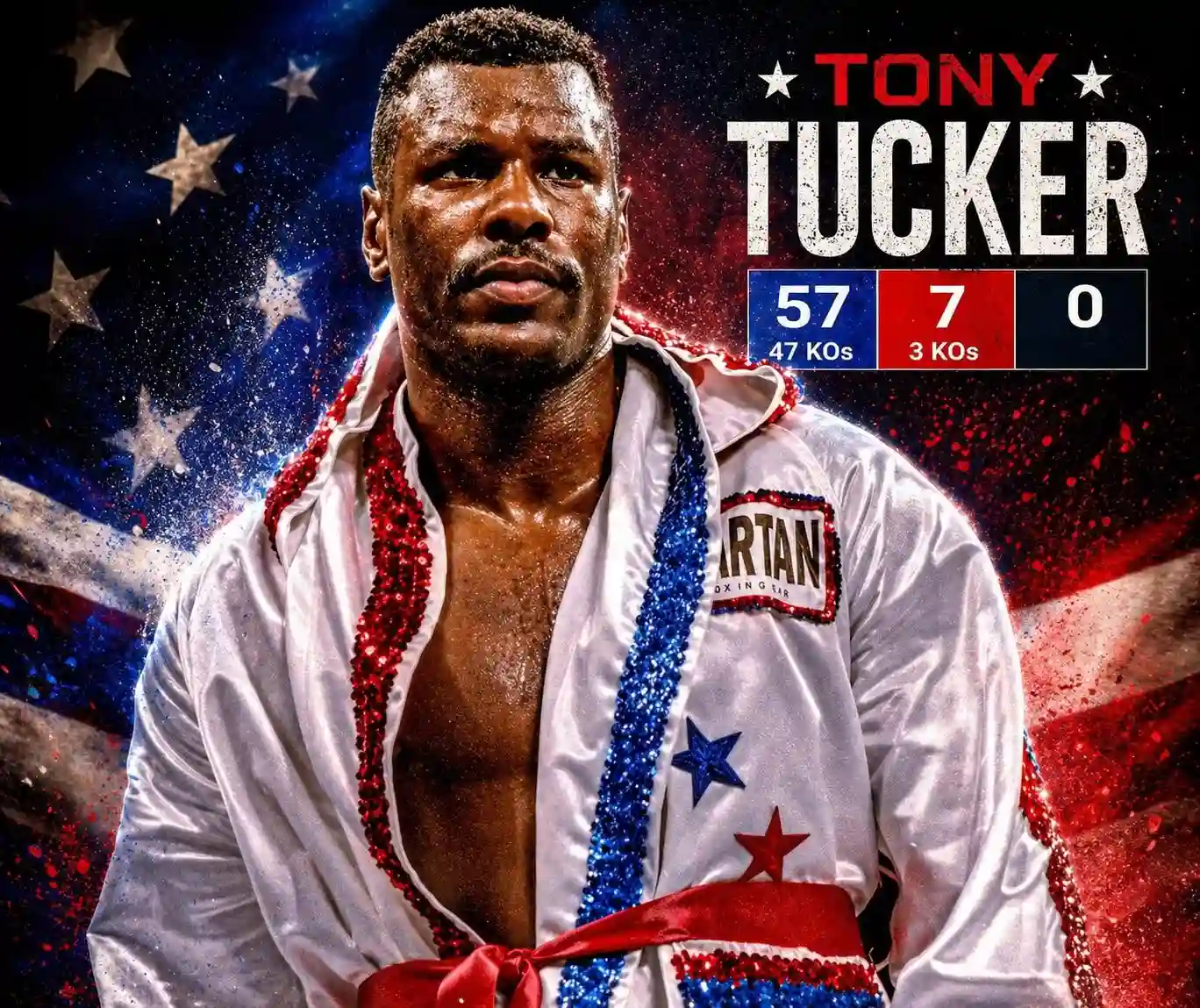
Standing 6-foot-5 with a long reach, Tucker combined natural size with an unusually fluid style. Although injuries and extended periods of inactivity limited his momentum, victories over James “Buster” Douglas, Oliver McCall and Orlin Norris demonstrated the quality he possessed at his best.
Born on December 27, 1958, in Grand Rapids, Michigan, Tucker developed under the guidance of his father, Bob Tucker. He enjoyed a successful amateur career before turning professional in November 1980.
Tucker quickly emerged as an intriguing heavyweight prospect. He was tall and powerful but also moved well, worked behind a long jab and could deliver combinations with surprising speed. Rather than relying entirely on his physical advantages, he was comfortable boxing at range or exchanging when necessary.
His progress was interrupted by injuries and managerial difficulties, contributing to long spells of inactivity. Nevertheless, Tucker continued winning whenever he entered the ring. By 1986, he had established himself as one of the leading unbeaten heavyweights in the world.
Tucker received his first world-title opportunity against James “Buster” Douglas on May 30, 1987, at the Las Vegas Hilton. The vacant IBF championship was at stake after Michael Spinks had been stripped of the belt for facing Gerry Cooney instead of mandatory challenger Tucker.
Tony Tucker stopping Buster Douglas in the 10th round to win the vacant IBF heavyweight title. In a close but uneventful fight, Tucker hurt & stops a tired Douglas half way through the 10th. Tucker is the shortest reigning (64 days) heavyweight champion ever. May 30, 1987. pic.twitter.com/dDPaVZYOx7
— b0xingfan (@b0xingfan) February 20, 2025
Douglas used his jab effectively and controlled much of the early action. Tucker remained composed, however, and steadily increased the pressure as the fight progressed. In the tenth round, he hurt Douglas with a right hand before unleashing a sustained combination that forced referee Mills Lane to stop the contest.
The victory made Tucker the undefeated IBF heavyweight champion. His record stood at 34-0 with one no contest, and he had earned his place in the final stage of a tournament designed to establish an undisputed champion.
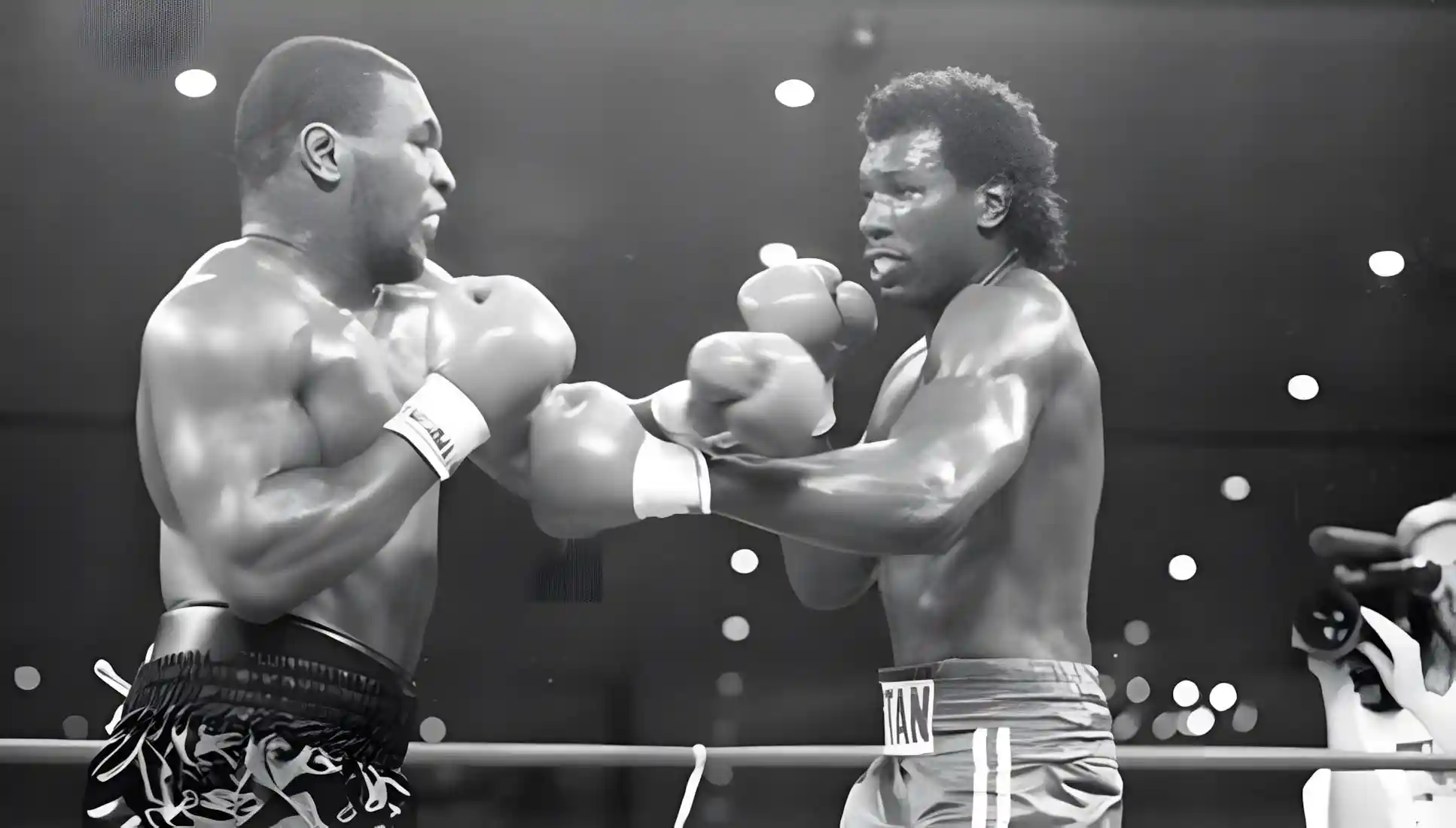
Just 63 days after defeating Douglas, Tucker faced WBA and WBC champion Mike Tyson on August 1, 1987. Tyson was at the height of his destructive early career and entered the unification bout as an overwhelming favourite.
Tucker immediately demonstrated that he would not be intimidated. During the opening round, he caught the advancing Tyson with a powerful left uppercut that briefly knocked the younger champion off balance. Tucker’s height, movement and willingness to tie Tyson up prevented the expected early knockout.
His task became considerably harder after aggravating an injury to his right hand. Tucker increasingly relied on his jab, left hook and defensive movement, but he remained competitive and became only the second boxer to take Tyson the full distance as a professional.
Tyson won a unanimous decision and became the undisputed heavyweight champion, ending Tucker’s brief IBF reign. Despite the defeat, Tucker’s toughness and composure under relentless pressure enhanced his reputation.
Mike Tyson vs. Tony Tucker
— Mr Vince🇬🇧🇺🇸 (@daniels_bukola) August 17, 2026
Tucker started strong and hurt Tyson early, using movement and reach effectively, but Tyson pressed forward, landed the cleaner punches overall, and controlled most of the fight.#Boxing pic.twitter.com/wl1bj0DZmR
Tucker disappeared from competition for more than two years following the Tyson fight. He returned in December 1989 and began the difficult process of rebuilding his position in the heavyweight division.
He gradually assembled another substantial winning streak. Among his most important victories was a split decision over future WBC champion Oliver McCall in June 1992. Tucker followed that result by defeating the highly ranked Orlin Norris, securing another opportunity to compete for a world championship.
By the time he returned to the title stage, Tucker was 48-1 and had gone nearly six years without losing. His combination of experience, size and durability made him a credible opponent even though he was now well into his thirties.
On May 8, 1993, Tucker challenged Lennox Lewis for the WBC heavyweight championship in Las Vegas. The bout represented Lewis’s first defence of the title and Tucker’s opportunity to regain a championship almost six years after facing Tyson.
Lewis controlled much of the contest with his jab and right hand, dropping Tucker in the third and ninth rounds. Tucker nevertheless remained determined, recovered from both knockdowns and produced some of his best work during the later rounds.
Lewis earned a unanimous decision after 12 rounds, but Tucker had once again demonstrated his resilience against an elite heavyweight. He became the first man to take Lewis the full championship distance.
Tucker continued competing against leading heavyweights throughout the 1990s. In April 1995, he challenged Bruce Seldon for the vacant WBA heavyweight championship but was stopped in the seventh round.
Two years later, Tucker travelled to Norwich, England, to face the explosive Herbie Hide for the vacant WBO heavyweight title. Hide’s speed and aggression proved decisive, and the contest was stopped in the second round.
Although Tucker was no longer operating at his peak, he remained active until 1998. He ended his career with a first-round knockout victory over Billy Wright, closing an 18-year professional journey on a winning note.
At his best, Tucker was one of the most physically gifted heavyweights of the 1980s. His long jab, quick combinations and mobility allowed him to box effectively from the outside, while his strong chin and survival instincts made him extremely difficult to stop.
His career is often defined by the narrow window between winning the IBF title and facing Tyson. With just over two months separating those contests, Tucker had little time to enjoy his championship or fully recover before meeting the division’s most formidable fighter.
Yet his wider record deserves equal consideration. Tucker began his career unbeaten across his first 35 completed contests, defeated a future undisputed champion in Douglas, pushed a prime Tyson through 12 rounds and returned years later to earn another title shot against Lewis.
Tony Tucker retired with a professional record of 57-7 (47 KOs), along with one no contest. He remains a notable figure from a demanding heavyweight era: a world champion whose ability, perseverance and longevity ensured that “TNT” shared the ring with some of the most important fighters of his generation.

Top Heavyweight Boxing covers the past, present and future of boxing's premier division. Copyright© 2026
Powered by Digital Dynasty Design