September 7, 2023
via
via
Ali vs Berbick: The Final Goodbye
Ali vs Berbick: The Final Goodbye
Muhammad Ali's farewell to boxing was marked by tragedy, exploitation, and a painful descent from his former glory.

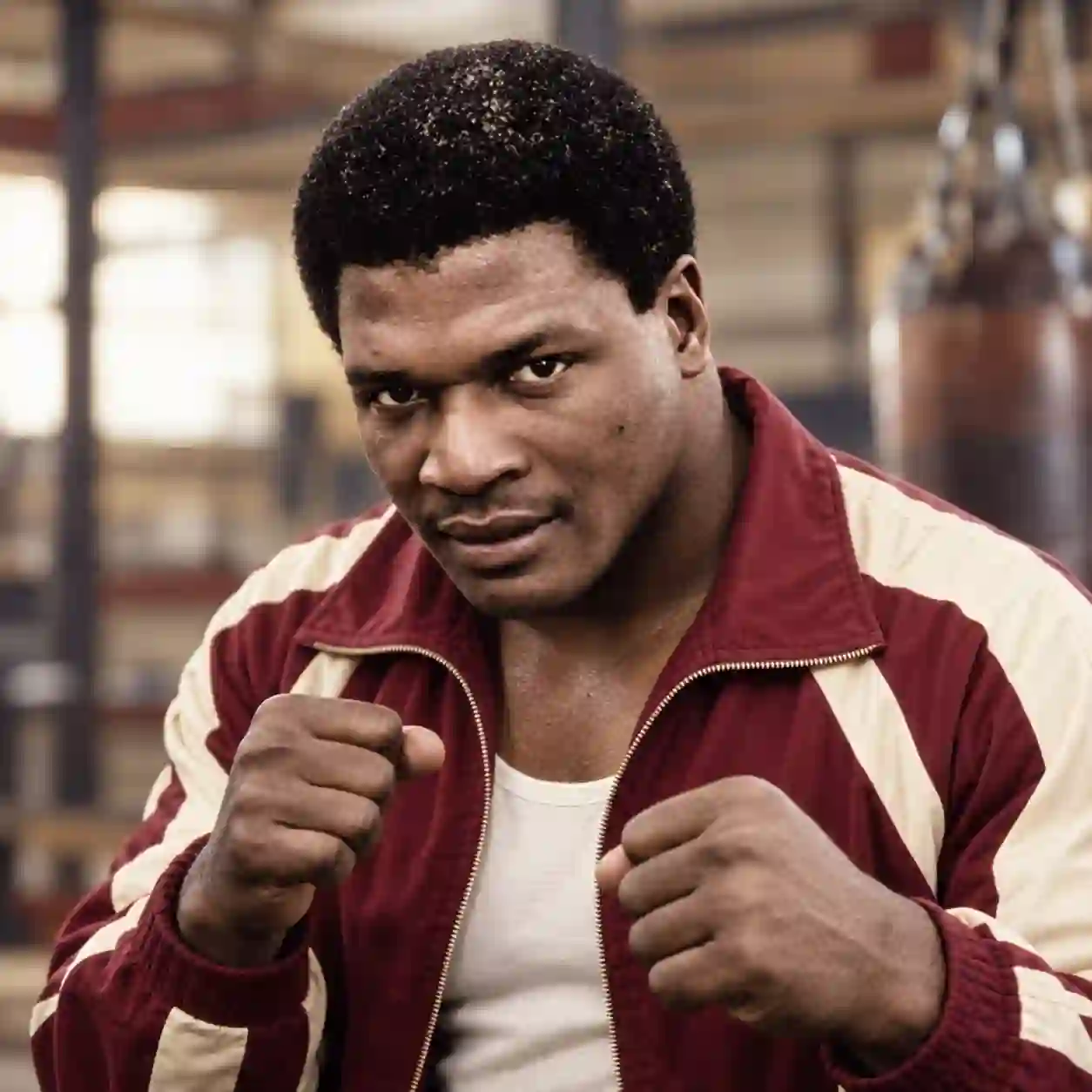
WBC Champion
Montreal, QC, Canada - Trevor Berbick was a rugged, physically imposing heavyweight whose career connected three distinct generations of boxing history. He challenged Larry Holmes, became the final opponent of Muhammad Ali, won the WBC heavyweight championship and surrendered it to a 20-year-old Mike Tyson. Although his title reign was brief, Berbick repeatedly proved capable of upsetting more celebrated opponents during a professional career that lasted nearly 24 years.
Born in Port Antonio, Jamaica, on August 1, 1954, Berbick entered boxing with relatively little amateur experience. He won a bronze medal at the 1975 Pan American Games and represented Jamaica at the 1976 Montreal Olympics, losing to eventual silver medallist Mircea Șimon.
Berbick remained in Canada after the Games and began his professional career in Halifax. Strong, durable and naturally aggressive, he won his first 11 bouts before suffering his first defeat against Bernardo Mercado in 1979.
Later that year, Berbick stopped Earl McLeay in seven rounds to win the vacant Canadian heavyweight title. His breakthrough came in June 1980, when he knocked out former WBA champion John Tate in the ninth round at Montreal’s Olympic Stadium. The victory transformed Berbick from a largely unknown Canadian-based contender into a legitimate presence in the heavyweight division.
Berbick earned his first world championship opportunity against unbeaten WBC heavyweight champion Larry Holmes on April 11, 1981. Holmes controlled much of the fight with his superior jab and movement, but Berbick remained competitive and refused to wilt under the champion’s pressure.
Holmes won a unanimous decision after 15 rounds, yet Berbick emerged with greater credibility. He had demonstrated the durability, strength and determination required to compete with the division’s best fighter.
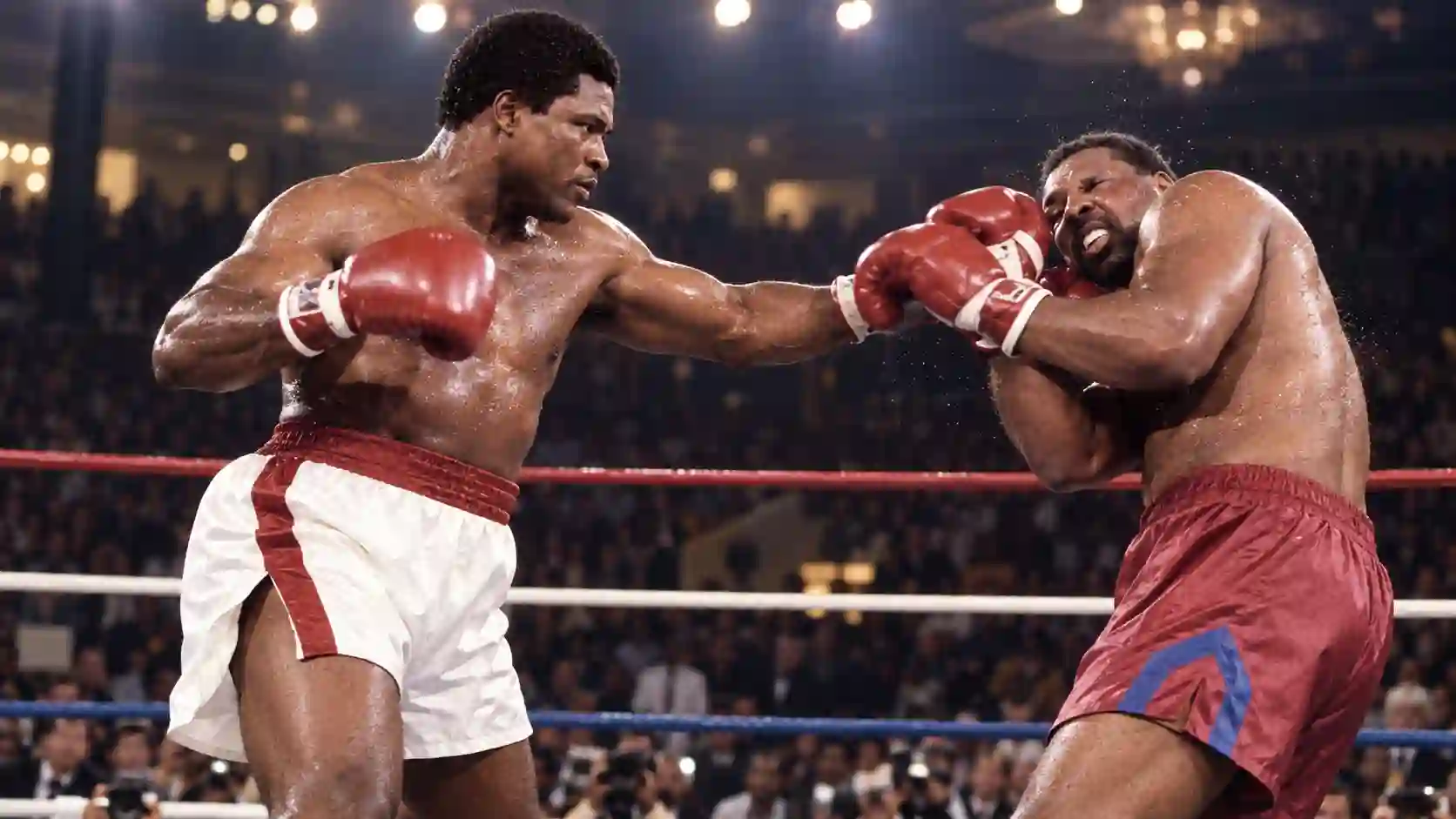
Eight months later, Berbick faced Muhammad Ali in Nassau, Bahamas, in a bout promoted as the “Drama in Bahama.” Ali was 39 years old and clearly diminished after a legendary career, but his name ensured that the contest attracted worldwide attention.
Berbick applied steady pressure and defeated Ali by unanimous decision over 10 rounds on December 11, 1981. It was the final fight of Ali’s career, permanently placing Berbick in one of boxing history’s most significant closing chapters.
The victory did not immediately produce another championship opportunity. Berbick remained active, however, and scored a notable decision over unbeaten future WBA champion Greg Page in 1982. Losses to Renaldo Snipes and S.T. Gordon slowed his progress, but he gradually fought his way back into contention.
Berbick rebuilt his standing with victories over respected contenders David Bey and Mitch “Blood” Green. He stopped Bey in the 11th round to capture the USBA heavyweight title in June 1985, then retained it by defeating Green over 12 rounds two months later.
Those victories secured a second world title opportunity against unbeaten WBC champion Pinklon Thomas on March 22, 1986, at the Riviera in Las Vegas. Berbick entered as the underdog but forced Thomas into a demanding physical fight. He maintained a high work rate, pressed forward consistently and outworked the champion over 12 rounds.
Berbick won a unanimous decision and, nearly five years after falling short against Holmes, became WBC heavyweight champion. It was the defining achievement of his career and confirmation that his persistence had carried him to the top of the division.
Berbick’s reign lasted eight months. On November 22, 1986, he defended the title against Mike Tyson, the undefeated 20-year-old challenger whose speed, power and ferocity had made him boxing’s most dangerous rising star.
Tyson overwhelmed Berbick almost immediately. In the second round, a powerful combination sent the champion down. Berbick courageously attempted to rise, but his balance deserted him and he fell twice more before referee Mills Lane stopped the fight.
The victory made Tyson the youngest heavyweight champion in boxing history. The unforgettable finish became one of the defining images of Tyson’s career, while Berbick became permanently associated with the beginning of a new heavyweight era.
Berbick remained a recognizable contender after losing the championship. He defeated former light-heavyweight and middleweight champion Iran Barkley but lost decisions to several younger heavyweights, including Carl Williams, Buster Douglas, Jimmy Thunder and future champion Hasim Rahman.
Well into his forties, Berbick returned to the Canadian boxing scene. In 1999, he stopped Shane Sutcliffe in the 12th round to regain the Canadian heavyweight title, two decades after first winning it. He retained the championship by defeating Sutcliffe on points in their 2000 rematch, which became the final bout of his career.
Berbick retired with a professional record of 49-11-1 (33 KOs).
At 6-foot-2 and approximately 220 pounds during his prime, Berbick was a strong, durable heavyweight who performed best at close range. He was not a polished stylist, but he possessed considerable physical strength, a dependable chin and an awkward, persistent attack. His willingness to make fights uncomfortable allowed him to defeat several opponents who appeared more naturally gifted.
Berbick’s life outside the ring was turbulent and frequently overshadowed his athletic accomplishments. After returning to Jamaica, he was murdered in October 2006 at the age of 52.
His boxing legacy remains unusual but historically important. Trevor Berbick was the only man to share the ring with Muhammad Ali, Larry Holmes and Mike Tyson—the dominant heavyweight champions of three successive eras. More importantly, he was a legitimate world champion who defeated Pinklon Thomas at his peak and earned his place in heavyweight history through resilience, strength and persistence.

Top Heavyweight Boxing covers the past, present and future of boxing's premier division. Copyright© 2026
Powered by Digital Dynasty Design