Corrie Sanders changed the heavyweight division in less than two rounds when he stopped Wladimir Klitschko for the WBO championship in 2003. The South African southpaw had spent years winning dangerous fights without becoming a regular fixture at the top of the division. Fast hands and a powerful left made him a difficult opponent to judge from appearances or recent activity. His championship upset was the defining result of a career that also included national honours, international victories and an unsuccessful challenge to Vitali Klitschko.
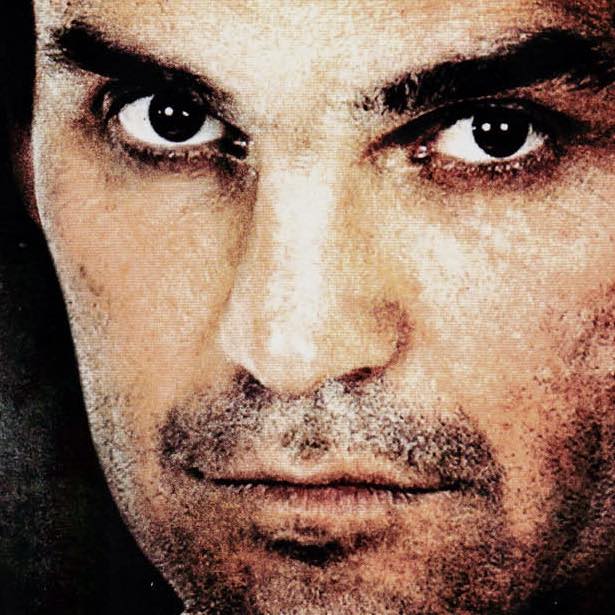
Close-up portrait of Corrie Sanders, the South African southpaw known as “The Sniper”.
South African amateur success and the professional transition
Born on January 7, 1966, Sanders became an accomplished amateur before turning professional in 1989. He won South Africa’s amateur heavyweight championship in four consecutive years, from 1985 through 1988. That experience gave him a foundation beyond the punching power for which he later became best known.
He won the South African professional heavyweight title by knocking out Johnny du Plooy in the opening round at Sun City in July 1991. The result established his standing at home and was followed by a series of international tests.
Sanders boxed from a southpaw stance and could deliver his left hand quickly, particularly when an opponent moved into range. A rival who expected time to settle behind a jab could instead find himself in an immediate exchange with a fast, heavy puncher.
International wins and the Bert Cooper stoppage
His early professional run included victories over Johnny Nelson and, later, Carlos de León. Both were accomplished cruiserweights who also competed at heavyweight. Sanders was building a record against experienced opposition, rather than relying solely on wins over unknown local fighters.
In Atlantic City on June 26, 1993, Sanders stopped Bert Cooper in the third round. Cooper had already given Evander Holyfield and Michael Moorer difficult world-title fights. Beating him so decisively offered a useful indication of Sanders’s ability to handle a proven heavyweight puncher.
The winning streak ended at 23 fights when Nate Tubbs knocked him out in the second round in May 1994. Sanders returned with a first-round victory over de León later that year. The Tubbs defeat remained a reminder that his own vulnerability was part of the story: he could end a fight suddenly, but he was not immune to being caught.
Sanders’s third-round stoppage of Bert Cooper in Atlantic City in 1993.
The WBU belt and a demanding fight with Hasim Rahman
Sanders outpointed Ross Puritty over twelve rounds in Pretoria on November 15, 1997, winning the vacant WBU heavyweight belt. The WBU was a smaller sanctioning organisation; that title did not carry the standing of the WBO championship he would win later.
He defended the belt against Bobby Czyz, Jorge Valdes and Al Cole. Czyz was stopped in the second round in June 1998, while Valdes and Cole were each defeated in the first. These results reinforced Sanders’s ability to finish experienced opponents quickly.
Hasim Rahman supplied a much harder test in Atlantic City on May 20, 2000. Both men went down in the third round, and Sanders was down again in the fourth. Rahman survived the early danger and stopped him in the seventh.
The fight brought Sanders’s strengths and limitations together. He could hurt a durable heavyweight, but maintaining the same threat through a longer, punishing contest was another challenge. He fought only once in 2001 and once in 2002, leaving him with little recent ring activity before his greatest opportunity.
Four knockdowns and the Wladimir Klitschko upset
Sanders challenged Wladimir Klitschko at the Preussag Arena in Hanover, Germany, on March 8, 2003. Klitschko was making his sixth defence of the WBO heavyweight title and was widely expected to remain champion. Sanders was 37 and had fought only three rounds since losing to Rahman nearly three years earlier.
The expectations collapsed late in the first round. Sanders caught Klitschko with his left hand and put him down twice before the bell. Klitschko could not regain control in the second: two further knockdowns brought the stoppage after 27 seconds of the round.
Sanders had won the WBO championship through a four-knockdown dismantling of an established titleholder. The Ring named it the Upset of the Year for 2003. The speed of the finish should not obscure the skill behind it: his southpaw attack and quick delivery repeatedly reached Klitschko before the champion could organise his defence.
It was a decisive victory in that particular contest, not proof that Sanders would dominate every heavyweight he faced. Klitschko later rebuilt his career, while Sanders faced a different challenge in trying to turn a spectacular upset into a sustained championship reign.
Vacating the WBO title and facing Vitali Klitschko
Sanders did not defend the WBO belt. He relinquished it and pursued a fight with Vitali Klitschko for the vacant WBC championship after Lennox Lewis retired. Their bout also carried The Ring’s heavyweight title.
They met at the Staples Center in Los Angeles on April 24, 2004. Sanders landed dangerous left hands early and won the opening round on all three official scorecards. Vitali absorbed the threat and increasingly used his jab and sustained attack to take control.
As Sanders tired, the difference between a sudden knockout opportunity and a long championship contest became clear. He continued trying to land, but Vitali was producing the more consistent work. Referee Jon Schorle stopped the fight in the eighth round with Sanders still on his feet under unanswered punches.
The result left Sanders with one victory and one defeat against the Klitschko brothers. The contests were separate fights with separate title circumstances: he took Wladimir’s WBO belt in 2003, then challenged Vitali for a vacant WBC title in 2004.
Final fights and the end of his career
Sanders returned after the Vitali defeat and recorded further wins, but he did not regain a major world championship. His final bout came against Osborne Machimana for the South African heavyweight title on February 2, 2008. Machimana stopped him in the first round.
His professional career ended with 42 wins and four losses, including 31 knockout victories. The relatively small number of defeats is striking, but the timing of those losses mattered: Tubbs interrupted his unbeaten rise, Rahman halted a route toward the leading contenders, and Vitali prevented a second major championship.
Sanders’s career was also shaped by long gaps between appearances. The record shows how dangerous he could be without showing a prolonged period of championship activity. His WBO reign remains a genuine achievement, even though he made no successful defence.
The speed and power behind “The Sniper”
Sanders’s left hand was his most recognisable weapon, but speed was as important as force. The punch arrived quickly enough to upset an opponent’s sense of distance and timing. He could make a larger fighter look unprepared because the exchange developed faster than expected.
His best results came when he imposed that danger early. Against opponents who survived and established a more sustained rhythm, the task became harder. The Rahman and Vitali defeats belong alongside the Wladimir victory in any balanced assessment of his boxing.
That combination makes Sanders an important figure in the heavyweight story of the early 2000s. He did not have a long reign, but his championship win changed the direction of a major contender’s career and opened a new chapter in the division’s title picture.
Career knockout highlights showing Sanders’s fast southpaw punching.
His death and heavyweight legacy
Sanders died on September 23, 2012, aged 46, after being shot during an armed robbery at a restaurant while attending a family celebration in South Africa. His death came four years after his final professional fight.
His boxing legacy is anchored in the night in Hanover, but it extends beyond a single upset. National amateur and professional success, victories over experienced international opponents and the WBO championship establish him as a significant South African heavyweight. The full career explains both why he could beat Wladimir Klitschko so emphatically and why that result did not become a long period of dominance.