WORLD Heavyweight Boxing

Month
Date
,
Year
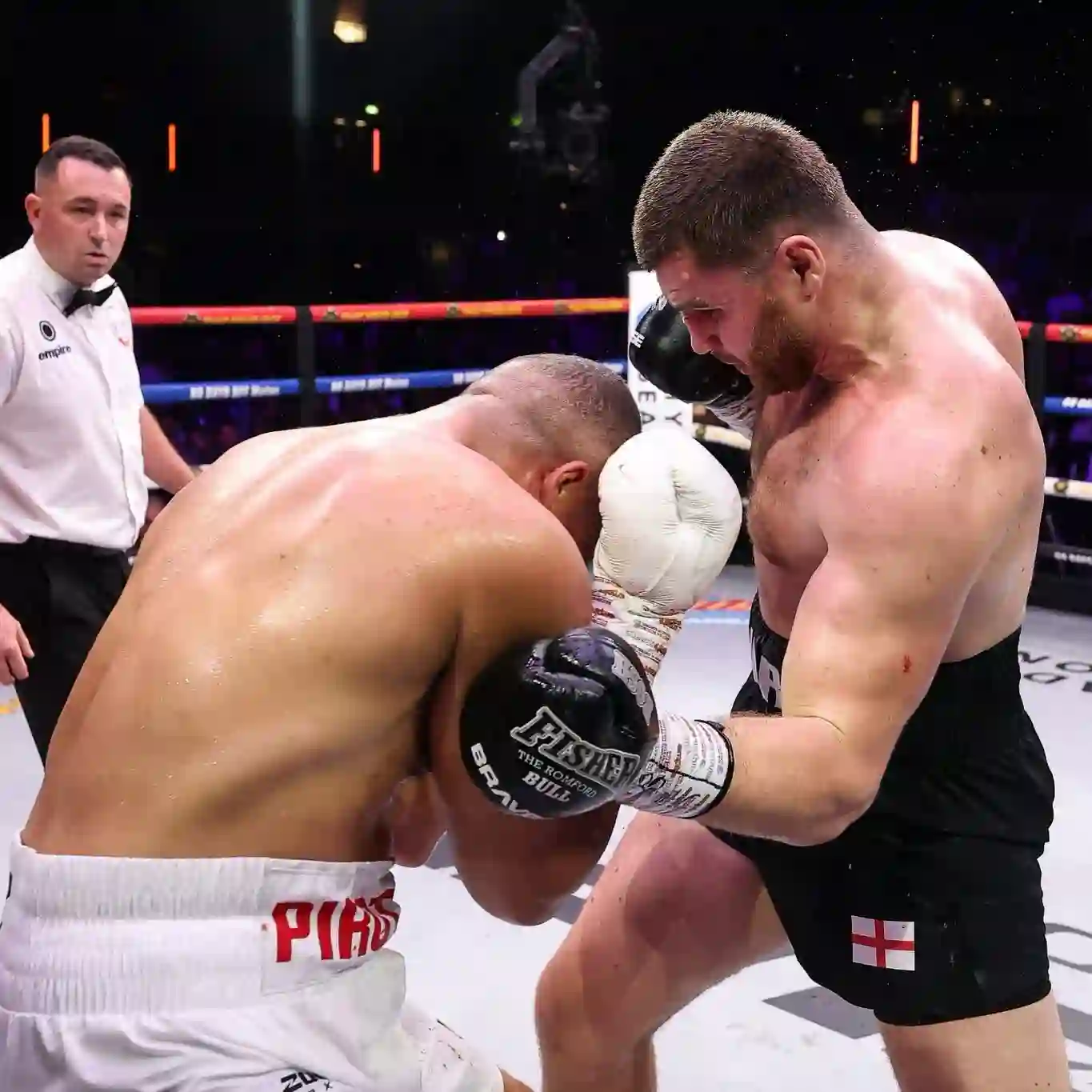
London, England, UK - When Derek Chisora 36-13 (23 KOs) faces Deontay Wilder 44-4-1 (43 KOs) this Saturday, April 4, at London’s O2 Arena, the bout will carry far more weight than a typical late-career heavyweight clash.
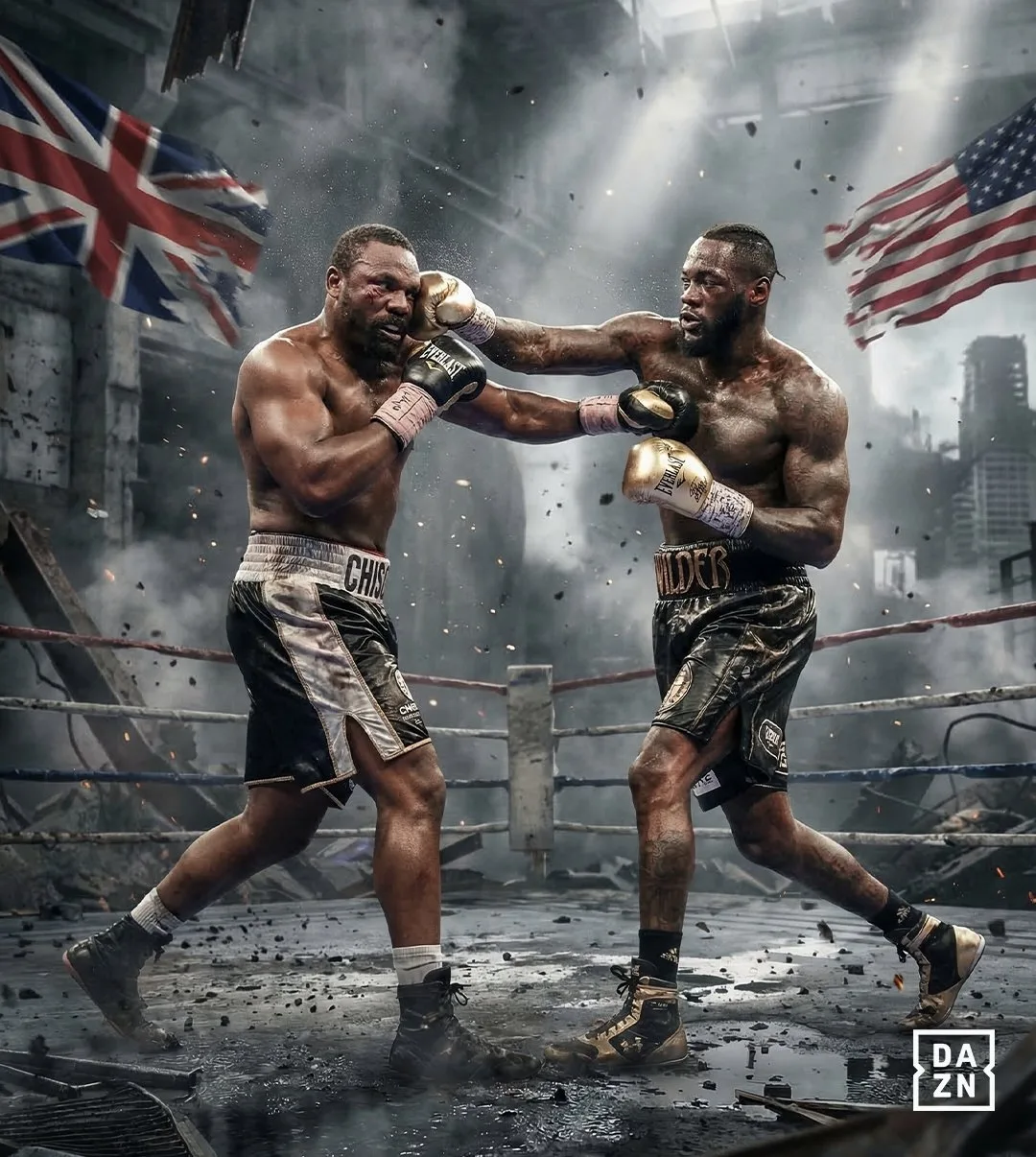
Billed as “100” — marking the 50th professional fight for each man — the matchup represents a rare convergence of experience, wear, and consequence. For both fighters, this is not a comeback. It is a decision point.
Chisora enters on a three-fight winning streak, having defeated Joe Joyce and Otto Wallin in his most recent outings. Long considered to be nearing the end, the 42-year-old has instead found a late-career rhythm built on pressure, conditioning, and experience.
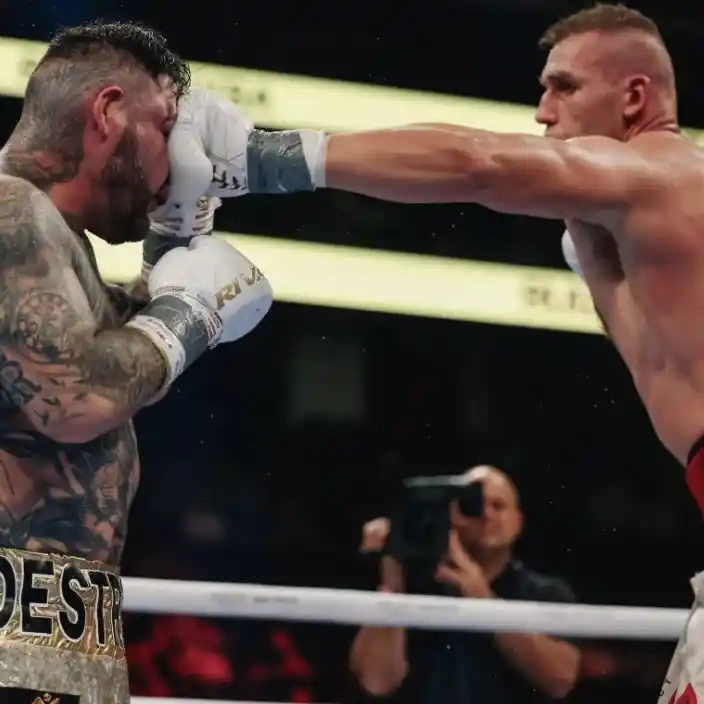
Wilder, now 40, arrives under very different circumstances. Since his trilogy with Tyson Fury, he has gone 2-2, with losses to Joseph Parker and Zhilei Zhang raising serious questions about his current level. A recent stoppage win over Tyrrell Herndon did little to fully answer them.
The stakes are clear. The winner remains relevant near the top of the heavyweight rankings. The loser faces the reality of the division moving on.
Few fights in recent years have been this difficult to call — and that uncertainty is exactly what makes this matchup so compelling.
Chisora’s recent form has been consistent and, at times, impressive. He has imposed himself physically, dictated pace, and shown an ability to break opponents down over time. His victories over Joyce and Wallin reinforced the idea that, even deep into his career, he remains a functional and dangerous heavyweight.
Wilder, by contrast, has become increasingly difficult to assess. Once defined by his ability to end fights instantly, he has in recent outings appeared more hesitant, less active, and more reliant on isolated moments than sustained offense. Questions around timing, confidence, and durability remain.
The stylistic dynamic is straightforward, but decisive.
Chisora will look to apply constant pressure — closing distance, forcing exchanges, and turning the fight into a physical contest fought at close range. His objective will be to deny Wilder the time and space needed to set his right hand.
Wilder’s path is equally clear. He must create distance, manage range, and find the moment to land the right hand that has defined his career. Even now, his power remains a constant threat, capable of ending the fight in an instant.
At this stage of their careers, neither man moves as they once did. That reality increases the likelihood of prolonged exchanges and raises the possibility of a fight fought more in the center of the ring than at range — a scenario that could benefit Chisora over time, but also expose him to danger.
A few years ago, Wilder would have entered this matchup as a clear favorite. That is no longer the case.
Chisora’s recent performances, combined with Wilder’s uneven form, have reshaped expectations. What was once viewed as a dangerous assignment for Chisora is now widely seen as a competitive fight — one that many observers consider a genuine 50–50, with Chisora holding a slight edge based on current momentum.
That shift reflects not only where both fighters are today, but how the heavyweight division continues to evolve.
For Derek Chisora and Deontay Wilder, this is a defining fight.
Chisora arrives with momentum, durability, and a proven ability to impose himself over rounds. Wilder brings the most dangerous weapon in the heavyweight division — the right hand that can erase everything that came before it.
It is a matchup built on tension between sustained pressure and sudden impact, between minutes won and moments seized.
And on April 4 in London, one of those forces will give way.


Top Heavyweight Boxing covers the past, present and future of boxing's premier division. Copyright© 2026
Powered by Digital Dynasty Design