WORLD Heavyweight Boxing

Month
Date
,
Year
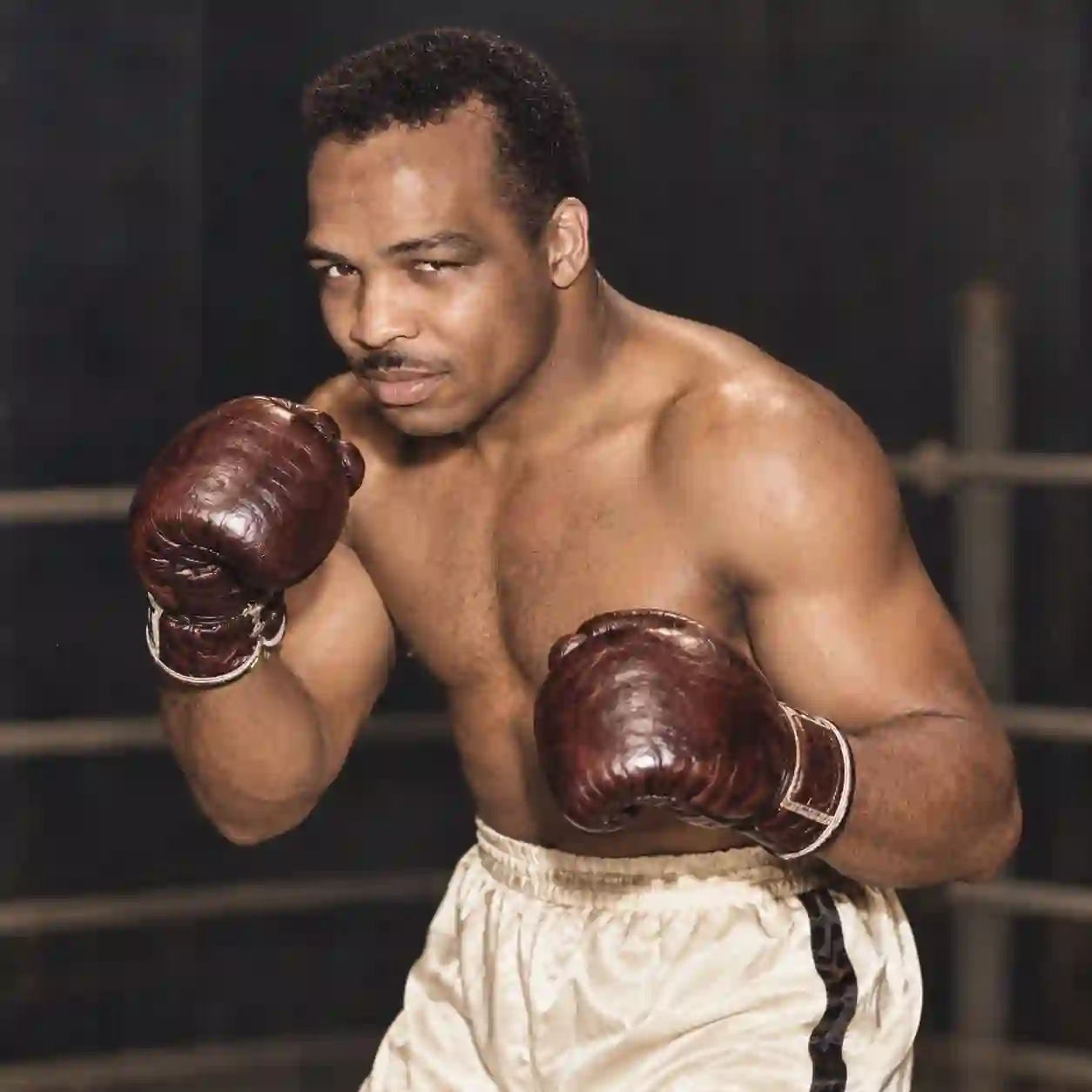
Legendary Contender
Chicago, IL, USA -Bob “Bombardier” Satterfield was one of the most explosive and unpredictable heavyweights of the postwar era. Standing just 5-foot-10 and frequently conceding considerable weight to his opponents, Satterfield possessed the kind of concussive punching power that could erase any physical disadvantage with a single blow.
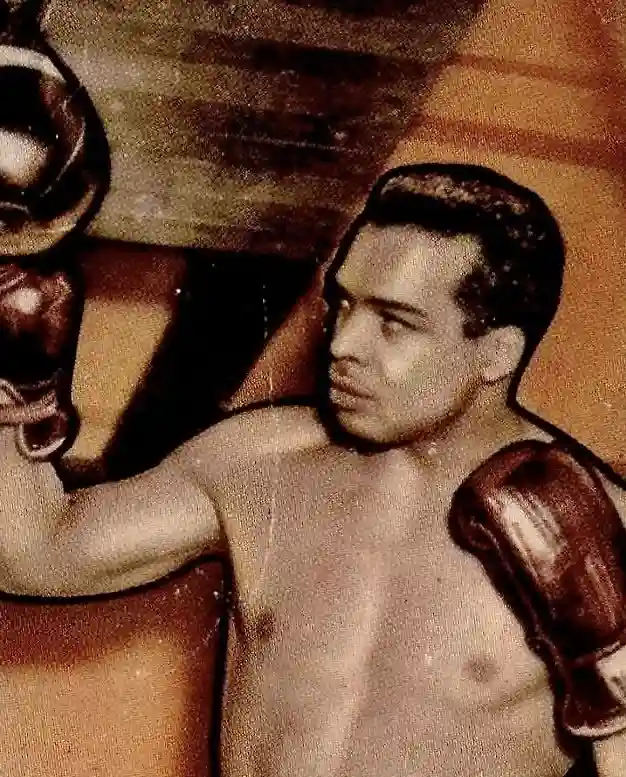
His career was a volatile mixture of thrilling victories, sudden defeats and unforgettable exchanges. Satterfield never challenged for the heavyweight championship, but few fighters of his generation were more dangerous when they planted their feet and began throwing punches.
Satterfield was born on November 9, 1923, in St. Louis, Missouri, but became closely associated with Chicago, where he developed as a fighter. He won the Chicago Golden Gloves welterweight championship in 1941 before serving in the United States Army during the Second World War.
After leaving the military, Satterfield turned professional in 1945. Although he began his boxing journey at a much lighter weight, his exceptional power eventually carried him into the light heavyweight and heavyweight ranks.
From the Chicago Design Archive is a promo poster fro rising prospect Bob Satterfield, circa early 1950's.
— 20th Century Boxing: Icons, Memories & More (@20thCentBoxIMM) August 17, 2026
Satterfield won a 10-round UD over Nino Valdes otd in 1955. pic.twitter.com/6BfLdIim9h
Satterfield was not a polished defensive boxer or a patient strategist. He was an aggressive puncher who looked to end fights quickly, often loading up on sweeping hooks and crushing right hands.
His attacks could be devastating, but his commitment to offence also left him vulnerable. Questionable stamina and a fragile chin made nearly every Satterfield fight dangerous for both men. He could dominate an opponent one moment and find himself in serious trouble the next.
That vulnerability prevented him from reaching the very top of the division, but it also made him a tremendous attraction. When Satterfield entered the ring, spectators knew that a knockout could come at any time—and from either direction.
One of Satterfield’s finest victories came against the powerful young Cleveland Williams in June 1954. Williams would later become one of the most feared heavyweight punchers of his generation, but Satterfield overwhelmed him and scored a third-round knockout.
The victory demonstrated just how dangerous Satterfield remained against larger, younger heavyweights. Williams owned considerable advantages in height, reach and natural size, yet none of them mattered once the Bombardier began landing cleanly.
Heavyweight Bob Satterfield drops Nino Valdes for a 9-count in the 10th, and final, round on August 17, 1955, at Chicago Stadium, enroute to a 10-round unanimous decision win.
— 20th Century Boxing: Icons, Memories & More (@20thCentBoxIMM) August 17, 2026
United Press, which unofficially scored it 97-91 in favor of Satterfield, would report:
"Bob… pic.twitter.com/gmjQ5UUdPB
Satterfield produced another major victory in August 1955 when he faced towering Cuban contender Niño Valdés. Giving away approximately 32 pounds, Satterfield survived the physical disparity and earned a decision victory over one of the world’s leading heavyweights.
It was a particularly impressive result because Valdés was not merely a large opponent—he was a legitimate contender who had spent years near the top of the heavyweight rankings. Satterfield’s victory confirmed that his success against bigger men was based on more than punching power alone.
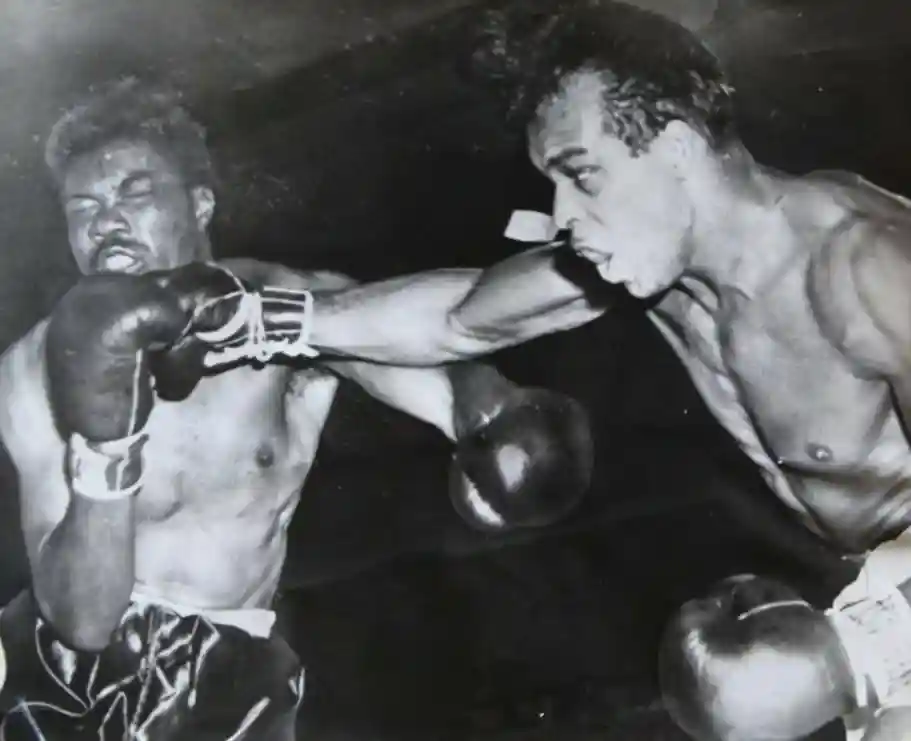
During his career, Satterfield shared the ring with numerous elite fighters, including Ezzard Charles, Archie Moore, Jake LaMotta, Harold Johnson, Rex Layne and Bob Baker.
He defeated Johnson once during their three-fight rivalry but suffered stoppage losses against Charles, Moore and LaMotta. Against Layne, Satterfield scored an early knockdown and appeared capable of ending the contest before fading and being stopped in the eighth round—a dramatic example of both his extraordinary danger and his recurring limitations.
Satterfield’s record could never fully explain his ability. He lost frequently, but many of those defeats came against outstanding opposition, and even the finest fighters of his era understood that facing him carried enormous risk.
Satterfield retired with a professional record of 50-25-4 (35 KOs). The numbers reflect an uneven career, but they do not adequately capture the fear created by his punching power or the excitement surrounding his fights.
He competed in an era filled with exceptional light heavyweights and heavyweights, yet established himself as a respected contender without the benefit of a protected record or carefully managed path. Satterfield fought dangerous opponents repeatedly, often while giving away significant size.
His career ended after doctors discovered a detached retina, forcing him to retire from boxing. He died from cancer on June 1, 1977, at the age of 53.
Bob Satterfield remains one of heavyweight boxing’s great uncrowned punchers. He never won a world championship and never received a title opportunity, but his ability to knock out much larger men gave him a lasting place in boxing history.
The Ring later ranked Satterfield among the 100 greatest punchers of all time. It was fitting recognition for a fighter whose entire career was defined by danger. He could be hurt, outboxed or exhausted—but as long as the Bombardier remained on his feet, the fight was never truly over.

Top Heavyweight Boxing covers the past, present and future of boxing's premier division. Copyright© 2026
Powered by Digital Dynasty Design