Deontay Wilder vs Martin Bakole: Power, Pressure and Questions of Condition
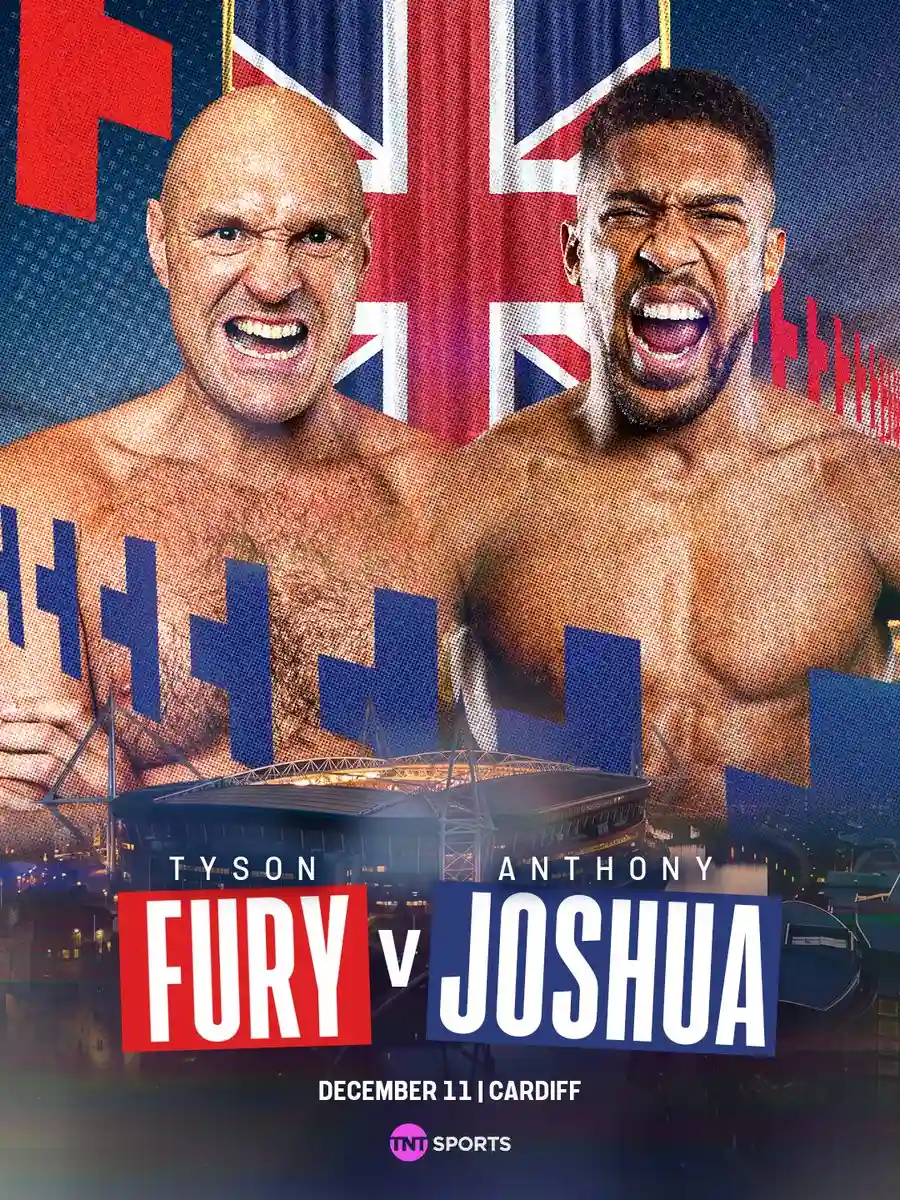
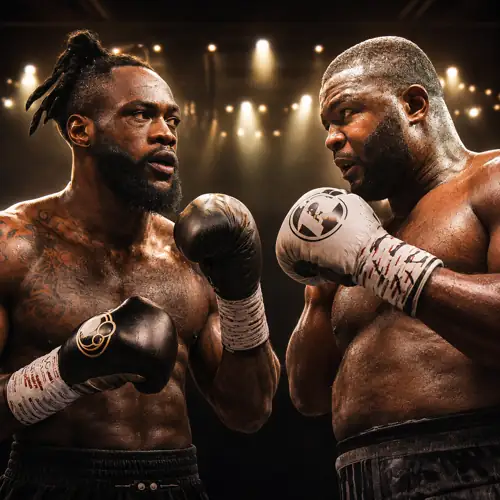
Cardiff, Wales, UK — Deontay Wilder will face Martin Bakole on Friday, December 11, at Principality Stadium, with the heavyweight contest forming part of the Tyson Fury–Anthony Joshua card, live on Netflix.
Bakole replaces the injured Jai Opetaia, changing Wilder’s assignment from a meeting with an unbeaten cruiserweight moving up to a contest against a much larger, established heavyweight. It is a significant change of opponent for both men: Bakole had been preparing to face Solomon Adebayo on the same show.
Wilder enters at 45-4-1 (43 KOs). Bakole is 21-2-1 (16 KOs). Those records advertise their finishing power, but the more revealing questions concern what each man can still sustain when the opening exchanges become a fight.
Bakole’s Condition Is Central to the Fight
There is a serious boxing question behind the discussion of Bakole’s weight. His most effective work depends on advancing behind a jab, keeping opponents occupied and putting combinations together at close range. If he cannot maintain that pressure, the intervals between attacks give Wilder opportunities to reset and find his right hand.
The concern has a documented basis. Bakole weighed 299 pounds for his May 2025 meeting with Efe Ajagba, compared with 284 pounds before stopping Jared Anderson the previous August. In a subsequent interview with The Ring, then-trainer Billy Nelson said: “I couldn’t believe the scales.” He explained that Bakole had exceeded their intended weight.
That history makes the issue relevant. It does not establish Bakole’s present weight or prove that he cannot perform in Cardiff. There is no verified current weigh-in figure in the material available for this preview, and training photographs cannot measure stamina.
The Ring’s announcement report describes Bakole working with strength and conditioning coach Evins Tobler and notes recent swimming drills. A different approach to preparation may help, but its effectiveness will have to be demonstrated in the ring. Exercise footage is evidence of training, not a guarantee of readiness.
The Anderson Performance and What Followed
Against Jared Anderson in August 2024, Bakole showed why he had become such an uncomfortable opponent. He crowded a younger, unbeaten fighter, disrupted his rhythm and finished him in five rounds. His size was backed by a willingness to punch in combinations rather than simply wait for a single opening.
That version of Bakole would present Wilder with an obvious problem. The American needs room to set and launch his right hand; Bakole can take that room away if his feet and hands keep working together.
The subsequent record is less reassuring. Joseph Parker stopped Bakole in two rounds in February 2025 after he accepted the fight at extremely short notice. That unusual preparation matters when assessing the defeat, but it cannot explain every concern about what followed.
Bakole returned against Ajagba in May. Their ten-round majority draw left him without a win in either of his two most recent appearances. Boxing News’ ringside report described a sluggish Bakole following Ajagba and struggling to sustain his activity. One judge scored it 96-94 for Ajagba; the other two returned 95-95.
By December 11, Bakole will have been out of competition for more than 19 months. He was already preparing for the Cardiff date, so this is not a repeat of the emergency journey to face Parker. It is nevertheless a substantial increase in the danger of the opponent waiting for him.
Wilder’s Right Hand Still Needs a Delivery System
Wilder’s knockout record remains formidable. His ten successful WBC title defences established the right hand as a weapon capable of deciding a contest even when he was losing rounds. The danger for a preview is to treat that reputation as a complete explanation of the fighter he is today.
His defeats by Joseph Parker and Zhilei Zhang exposed limitations in his output and ability to impose himself. A stoppage of Tyrrell Herndon in 2025 and an April split-decision victory over Derek Chisora returned him to winning form, but did not automatically restore the movement or confidence of his championship years.
The right hand requires an opening, balance and a willingness to commit. If Bakole crowds him behind a busy jab, Wilder must do more than retreat while waiting for the perfect shot. He needs to interrupt the advance, establish distance and make Bakole pay for reaching.
Conversely, an inactive Bakole could make Wilder’s job easier. A large target following him in straight lines, with long pauses between attacks, would offer chances that a more mobile opponent might deny.
A Different Assignment From Opetaia
The confirmed replacement changes the tactical demands. Wilder had been preparing for Opetaia’s southpaw stance and movement. Bakole brings orthodox pressure, considerable size and close-range combinations.
For Bakole, exchanging Adebayo for Wilder raises the cost of a defensive mistake. Walking through an opponent’s punches to establish superiority is a more dangerous proposition when the opponent has built a career around one decisive right hand.
Neither man has had months to tailor this particular matchup. The announcement came on November 23, leaving 18 days before the fight. Existing preparation for the same event is valuable; it is not the same as a full camp built around this opponent.

Where the Fight Can Be Won
Bakole’s most convincing route is controlled pressure: take away space, keep Wilder occupied with the jab and work in combinations when the American reaches the ropes. Pressure without defensive care would be an invitation to the punch he most needs to avoid.
Wilder’s route begins with making the approach expensive. Straight punches, changes of distance and a willingness to attack before Bakole settles would give his power a better platform. Simply conceding ground could allow Bakole to dictate where exchanges happen.
The early rounds should reveal whether Bakole can close distance without labouring and whether Wilder is prepared to let his hands go. As the contest develops, the important question becomes who can repeat his best work rather than merely produce it once.
A lower number on the scales would not settle that argument. Bakole needs to carry whatever weight he brings with balance, defensive reactions and enough endurance to remain effective under pressure. Wilder, meanwhile, must show that his finishing threat is supported by the activity needed to create openings.
More Than a Replacement Bout
There is an opportunity here for both men, but little room for an unconvincing performance. Bakole can rebuild momentum that stalled after Anderson. Wilder can demonstrate that beating Chisora was part of a meaningful return rather than a final isolated success.
The pairing has clear appeal because each man can punish the other’s weaknesses. That also makes it difficult to assess confidently. Bakole’s conditioning is a legitimate concern; Wilder’s recent performances raise questions of their own.
The Wilder–Bakole fight page carries the event details. The bout takes place on Friday, December 11, at Principality Stadium in Cardiff, on the Fury–Joshua card, live on Netflix.