WORLD Heavyweight Boxing

Month
Date
,
Year
A heavyweight fight can turn on a single opening. A jab drops short, a fighter steps into range, and a right hand changes the evening. That possibility keeps people watching, but power alone has never explained the division’s appeal. The best heavyweights bring timing, patience and personality to the ring, giving fans something to argue about long before the first bell.
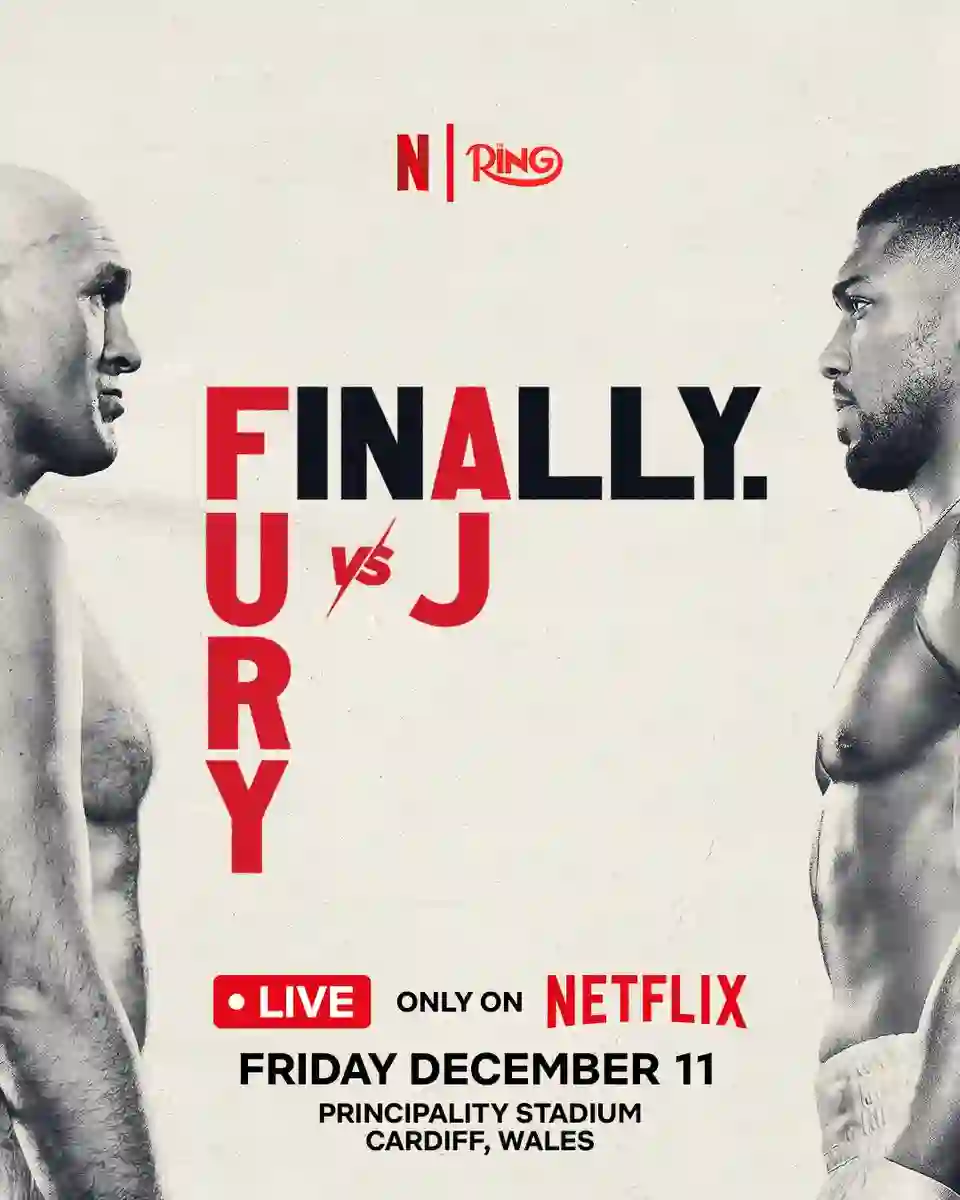
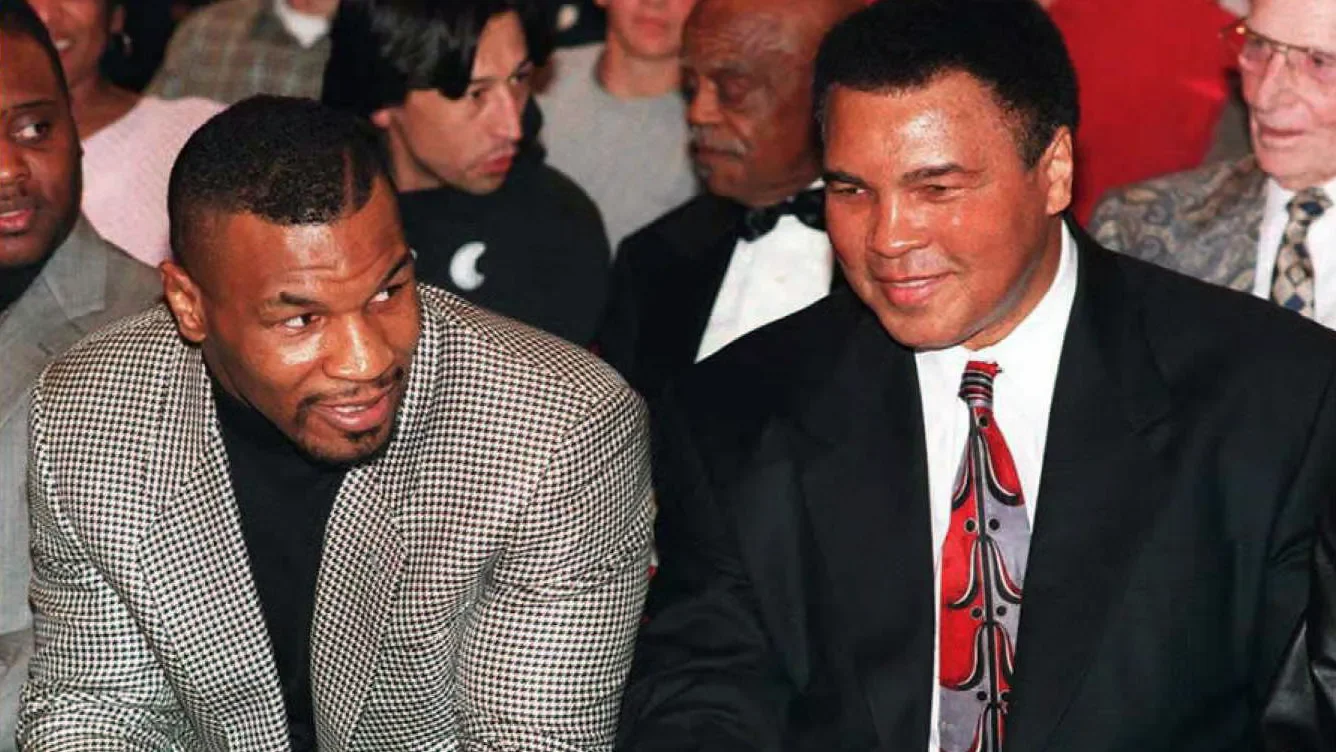
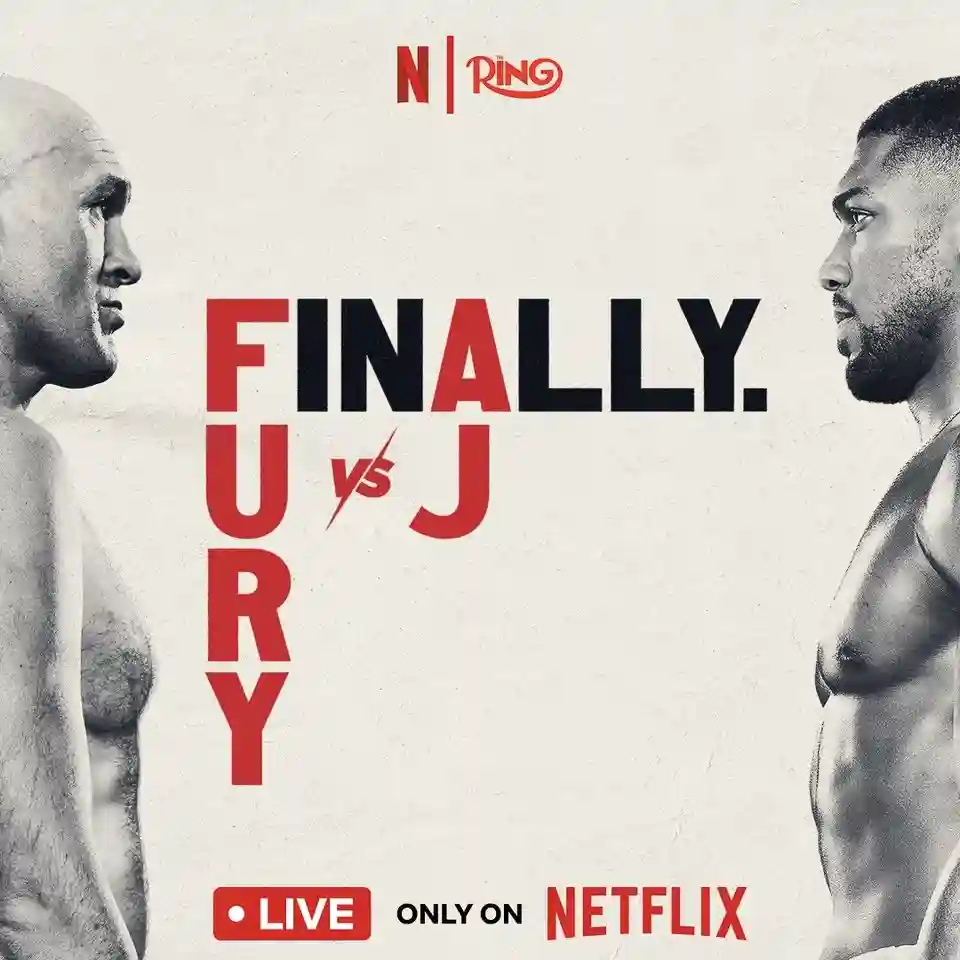
Muhammad Ali and Mike Tyson reached audiences far beyond boxing. Tyson Fury and Anthony Joshua have carried that tradition into an era of streaming, social media and worldwide promotion. Their styles and careers are different, yet all four show why the heavyweight division remains such a compelling part of the sporting landscape.
Heavyweight boxing carries a long history of changing rules, rivalries and public expectations. The move from bare-knuckle contests to gloved boxing helped establish the sport familiar to fans today. Across the generations that followed, the heavyweight championship became a prize whose importance extended well beyond the fighters competing for it.
Joe Louis, Rocky Marciano and George Foreman each left a different impression. Louis is remembered for the economy and precision of his punching. Marciano’s pressure and determination remain central to discussions of his career. Foreman brought formidable strength, then returned years later with a more patient approach that gave his story an entirely new chapter.
Those names still come up when fans watch the current division. A young puncher invites comparisons with Tyson; a mobile heavyweight prompts talk of Ali. The comparisons are rarely exact, but they reveal how closely boxing’s past stays connected to its present. Every generation measures its leading fighters against the men who came before.
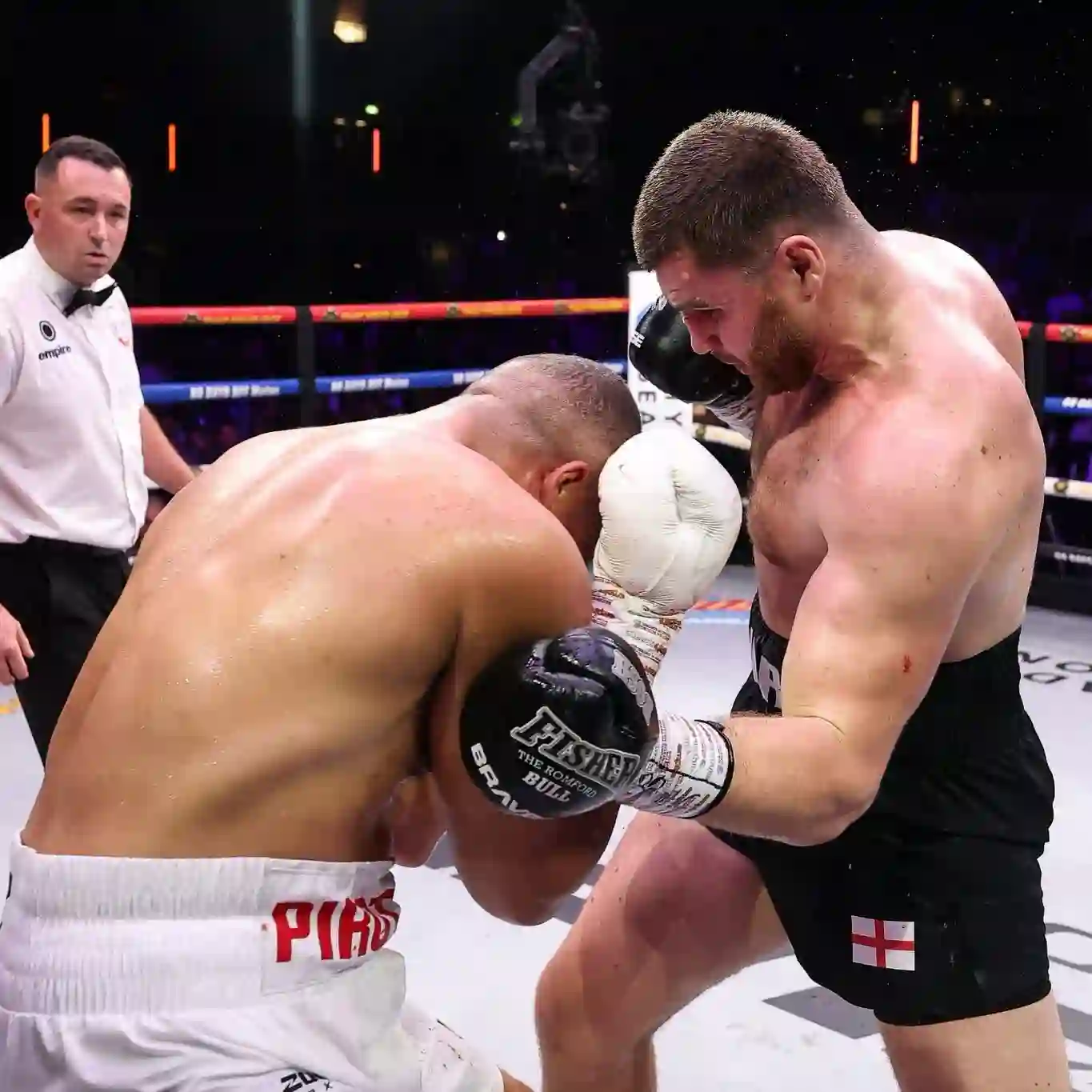
The knockout is the heavyweight division’s most immediate attraction. It is also only part of the fight. A good heavyweight contest rewards attention to the quieter work: a jab that keeps an opponent outside, a feint that draws a reaction, or a step to the side that makes a powerful punch miss.
That is where the tension builds. A fighter can win rounds while still looking vulnerable whenever his opponent gets close. Another can spend much of a contest behind a tight guard, waiting for one chance to land cleanly. Fans who watch those adjustments see a different contest from someone who catches only the finishing sequence.
Personality adds another layer. Fighters arrive with ambitions, setbacks and supporters who have followed them through smaller venues and difficult nights. A major bout becomes the latest chapter in a career rather than an isolated event. Winning matters, but so does how a fighter handles the pressure when his preferred plan stops working.
For many supporters, following heavyweight boxing is a social habit. Friends gather around a television, exchange predictions and debate the score between rounds. In an arena, the sight of two heavyweights entering the ring gives all that anticipation a physical setting. At home, the same uncertainty can hold a room’s attention.
The conversation does not end with the decision. Fans revisit a knockdown, disagree about a close round or discuss whether the winner is ready for a stronger opponent. A memorable fight can remain part of that conversation for years. Its appeal lies as much in those shared recollections as in the result itself.
Digital coverage has changed how supporters follow the division between events. Training footage, interviews and archived fights are easier to find, while social platforms give fans a place to discuss announcements as they happen. Streaming provides another way to watch, although access still depends on the broadcaster and the viewer’s location.
The useful material brings fans closer to the boxing. An interview can explain why a fighter has changed trainers. An older bout can show how a contender coped with pressure earlier in his career. Short clips introduce unfamiliar names, while full fights allow viewers to judge the performance beyond a few dramatic seconds.
Boxing fans have interests beyond the ring, and online entertainment is part of that wider picture. Platforms offering social casino games, including RealPrize, belong to a separate category of digital recreation that some adults explore alongside other leisure activities. A fight night can sit alongside that broader mix of entertainment, with fans choosing how to spend the time before the main event.
There is also room to imagine games built around boxing’s personalities, rivalries and competitive atmosphere. A virtual contest or a challenge between friends could introduce someone to the sport before they watch a full bout. For developers, boxing offers a recognisable setting, distinctive characters and a contest whose basic appeal is easy to understand.
For the sport itself, the lasting attraction remains the fighters. Digital entertainment may provide another point of contact, but it is the contest in the ring that gives fans a reason to return.
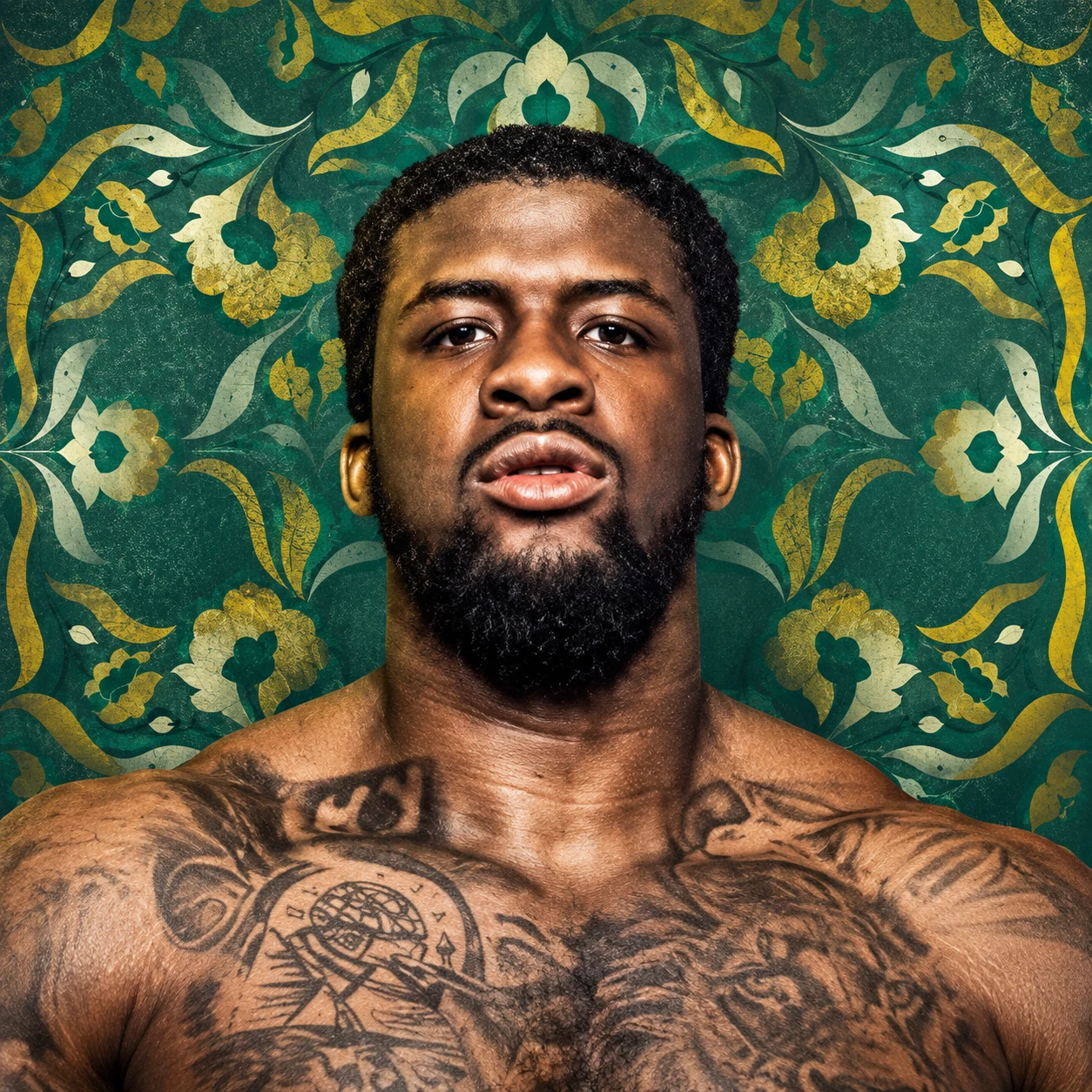
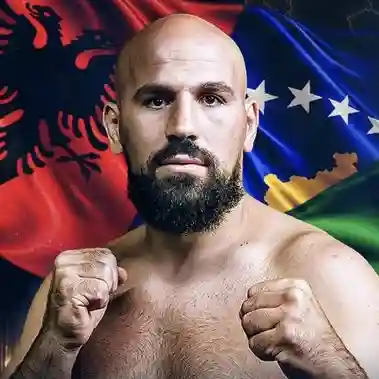
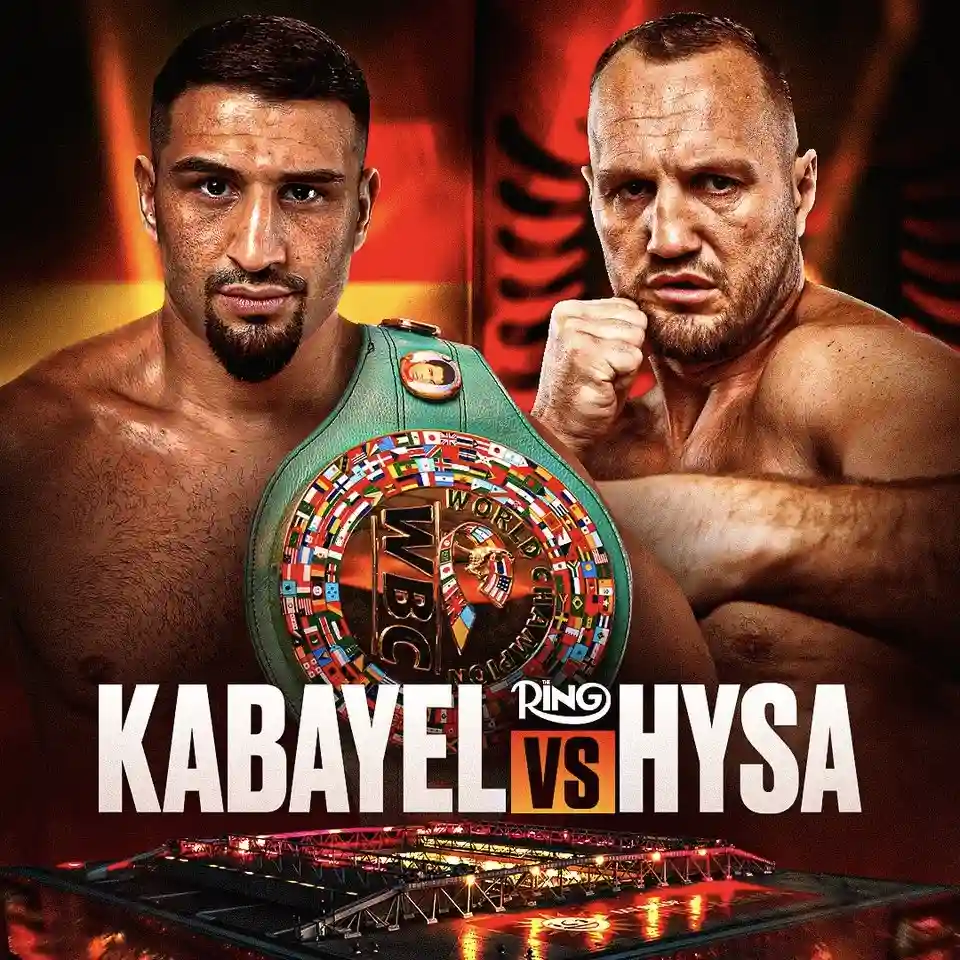
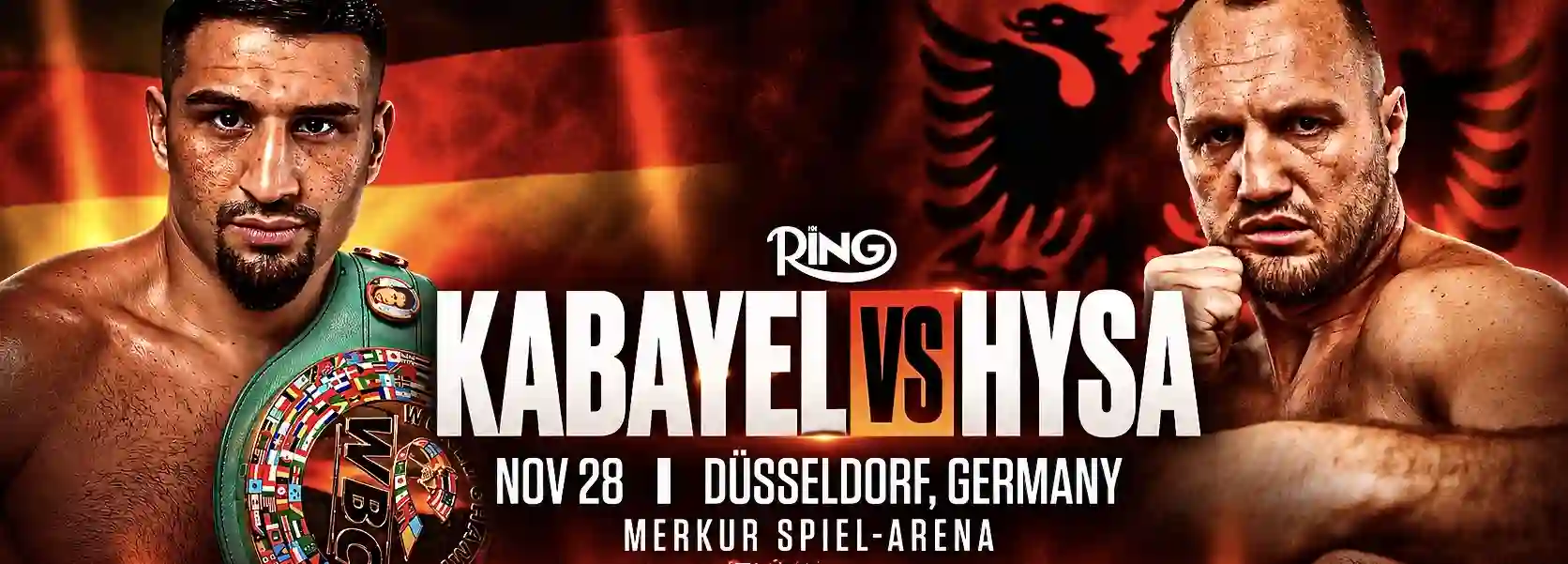
Established names still draw attention, while fighters such as Agit Kabayel and Filip Hrgović give supporters other careers and styles to follow. The division changes as contenders advance, rivals meet and leading fighters make their next move. Those changes keep the discussion alive even during quieter stretches of the schedule.
Heavyweight boxing has adapted to radio, television, pay-per-view and now streaming. Its presentation will continue to change, but the central appeal is familiar: two fighters trying to impose their strengths on one another, with no certainty that the contest will unfold as expected. History gives the occasion weight. The next bell gives it life.


Top Heavyweight Boxing covers the past, present and future of boxing's premier division. Copyright© 2026
Powered by Digital Dynasty Design